Husky
Husky
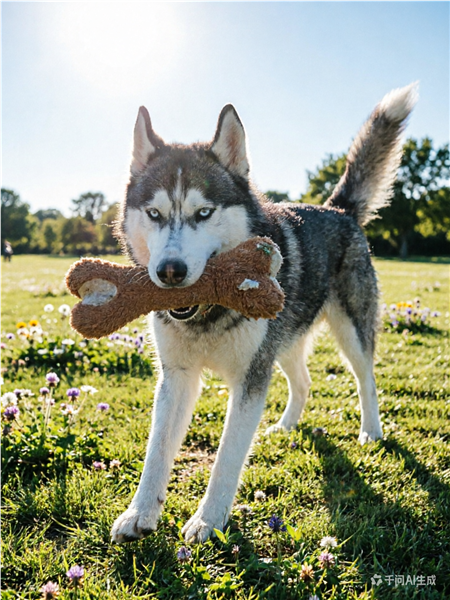
The Husky, also known as the Siberian Husky (Siberian Husky), is renowned for its iconic blue eyes, handsome appearance, and wolf-like physique. They are not only excellent sled dogs but also vibrant and enjoyable companion dogs in the home. However, before deciding to bring a Husky home, it is crucial to fully understand this breed. This article provides you with a detailed guide to raising a Husky, helping you to harmoniously coexist with this 'Polar Hero'.
I. Origin and History: From Polar Sledging to Family Companion
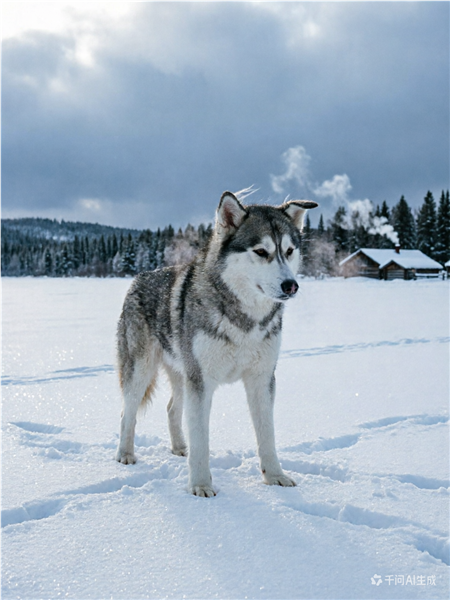
The history of the Husky can be traced back to ancient Siberia, where they were bred by the local Chukchi people. Initially, they were used as transportation tools and companion dogs, assisting their owners in pulling sleds and transporting supplies in the harsh polar environment.
. Huskies are renowned for their remarkable endurance and speed, having achieved outstanding results in early sled dog competitions. Among them, the most famous hero is "Togo", who played a crucial role in the 1925 Nome serum transport, saving countless lives. Today, Huskies have transitioned from the icy polar regions into households worldwide. They not only appear in movies like "Wild, Wild West" and "Ice Age", but also captivate countless dog lovers with their unique charm. Despite significant changes in their living environment, the working dog genes inherent in Huskies remain, necessitating plenty of exercise and mental stimulation.
II. Breed Standards and Physical Characteristics
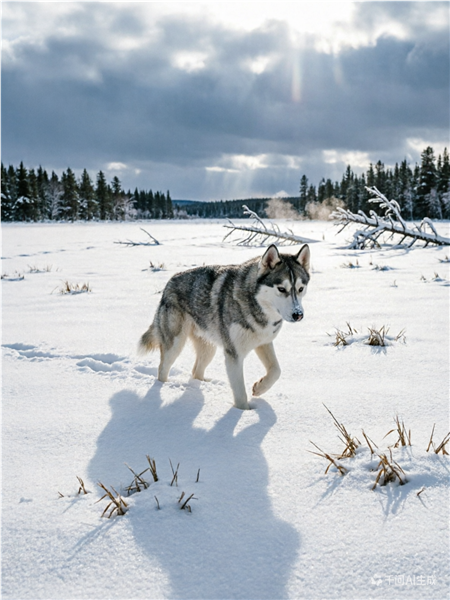
Huskies are medium-sized dogs with a well-balanced and compact structure. The ideal shoulder height for males is 21 to 23.5 inches (approximately 53 to 60 centimeters), while for females it is 20 to 22 inches (approximately 51 to 56 centimeters). Their heads exhibit an intelligent and friendly expression, with eyes that can be blue, brown, or even with one blue and one brown eye (known as "odors"), which is also part of their charm. Their ears are triangular and stand upright on top of their heads. The tail is bushy and naturally droops when at rest, but rises like a feather when moving, without curling onto their backs.
Huskies have a double-layered coat, with straight and smooth outer hair and dense, soft inner fur, effectively resisting the cold. Their fur comes in a variety of colors, including black and white, gray and white, red and white, and pure white. Their gait is light and fluid, demonstrating excellent endurance. It is worth noting that according to breed standards, dogs with strong aggression or excessive shyness, as well as those with obvious physical deformities or behavioral abnormalities, are considered disqualified.
III. Personality Traits: "The Two Huskies";
Origin of the Name
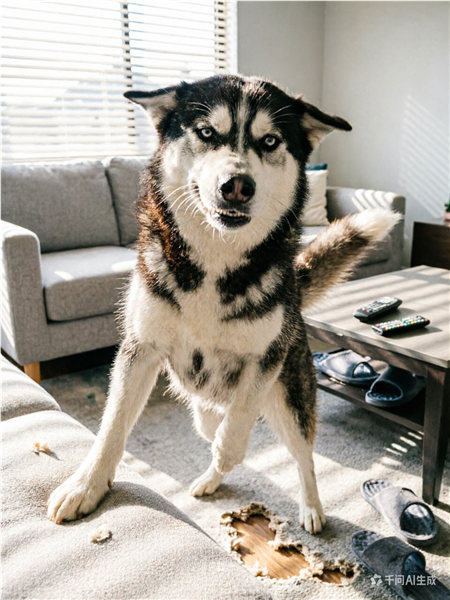
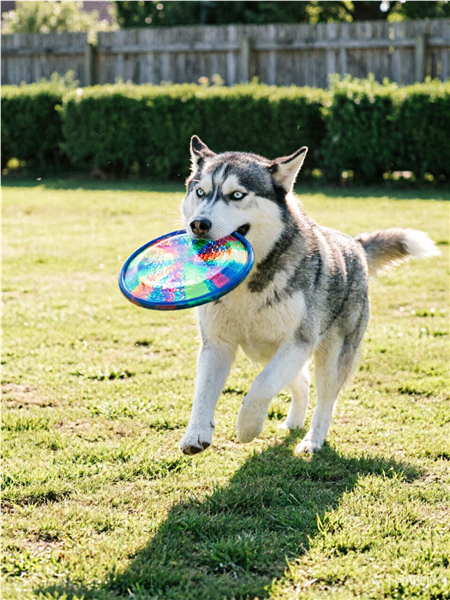
The personality of Huskies is their most distinctive trait. They are naturally friendly, cheerful, and gentle, and are usually not wary of strangers, making them unsuitable as guard dogs. They are extremely energetic and require a lot of exercise every day, such as long runs, hikes, or playing with Frisbees. If they don't get enough exercise, they will expend their excess energy by "destroying the house" - gnawing on furniture, digging up the floor, etc. This is also one of the main sources of the name "two-ha" (a play on words with "two-ha" meaning "two-headed" in Chinese, referring to the dog's characteristic behavior of destroying the house).
Huskies are very intelligent, but they are also very independent and sometimes stubborn. They prefer howling to barking, often making a unique sound similar to a wolf howl to "talk" to their owners. They love freedom and have a strong desire to explore. If the yard doesn't have a high enough fence, they may become "escape artists".
Section 4: Buying Guide: How to Choose a Healthy Husky Puppy
Choosing a healthy Husky puppy is the first step towards successful breeding. Firstly, choose a reputable professional kennel and avoid purchasing from pet stores or unknown sources. Before purchasing, it is best to meet the puppy's parents in person and observe their personality and health status.
When selecting a puppy, pay attention to the following points:
- Health Status: The puppy should be lively and active, with bright eyes without secretions, moist nose, clean and shiny coat, and clean anal area.
- Personality Test: Choose a puppy with stable personality, friendly towards people, and strong curiosity. You can observe its behavior among peers to avoid selecting an overly domineering or overly timid individual.
- Pedigree and Certificates: If you pursue pedigree, you can request to see the puppy's pedigree certificate, but this is not a necessary condition for raising a companion dog.
V. Feeding and Training: Harmonious Coexistence with the 'Husky'
Feeding a Husky requires a significant investment of time and energy.
- Exercise Requirements: It is essential to ensure at least 1-2 hours of high-intensity exercise per day. This not only burns their physical energy but also satisfies their mental needs, effectively reducing behavioral issues.
- Basic Training: Training should start from a young age, with a focus on positive reinforcement (such as treats and praise). Key training topics include following, recall, sit, and down. Due to Husky's independent nature, training requires more patience and consistency.
- Socialization Training: During the puppy stage, expose it to different people, animals, and environments to help it grow into a confident and stable adult dog.
- Home Management: Provide it with a safe space, such as a dedicated dog cage or enclosure, which can make it feel at ease and prevent it from causing damage when left alone. When it is home alone, provide some educational toys to pass the time.
VI. Daily Care and Grooming
Husky is a heavy shedder, especially during the shedding season, when the amount of hair loss can be alarming. Therefore, regular grooming is a top priority in daily care.
- Hair Grooming: Groom it 1-2 times a week during normal times, and daily during the shedding season to remove dead hair, keep the hair clean, and promote skin blood circulation.
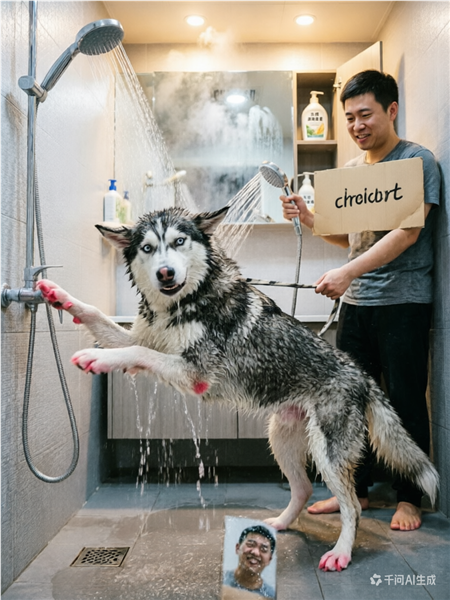
- Bathing: Huskies are inherently clean and have a light body odor. It is advisable not to bathe them too frequently, usually once every 1-2 months, using a dog-specific shampoo.
- Other Care: Regularly check and clean their ears, trim their nails, and clean their teeth to maintain overall health.
VII. Breeding and Health
If you plan to breed your beloved dog, it is essential to understand basic breeding knowledge. Female dogs usually go into estrus for the first time between 6-12 months, but it is recommended to breed them after their second estrus. Before breeding, ensure that the dogs are in good health and have completed necessary vaccinations and deworming. The gestation period is about 63 days, and it is necessary to prepare a maternity room and delivery supplies before the birth.
As a purebred dog, Huskies are also prone to certain diseases that require extra attention from their owners:
- Hip Dysplasia: A common genetic bone disease that can lead to arthritis and limping.
- Eye Diseases: Such as cataracts, glaucoma, etc. Regular eye exams are very important.
- Gastrointestinal Sensitivity: Some Huskies have fragile stomachs and are prone to problems such as diarrhea, so dietary management is necessary.
- Gastric Volvulus: An emergency and fatal disease that can be effectively prevented by avoiding strenuous exercise immediately after meals.
In summary, Huskies are a charming yet challenging breed. They can bring endless joy and vitality to the family, but they also require their owners to devote corresponding patience, time, and responsibility. I hope this guide can help you better understand and take care of your Huskies, and spend a wonderful time with them.
.
Related Pets