In today's Internet culture in China,"Erha" has almost become a household name. It represents a contradictory image that is both handsome and silly, cold and funny. However, when we laughed and watched various videos of the husky's "home demolishing","wolf howling" and "emoticons", had we ever thought that this dog, which we affectionately called "Erha", actually has an extremely glorious and hard-core origin-it was a sled soldier from the extremely cold land of Siberia. From working elites on the ice field to "funny responsibilities" in their families, what kind of journey has the Husky gone through? Today, let us explore this identity transformation that spans time, space and culture.
Chapter 1: The son of the ice sheet-the sled warrior of Siberia
Husky, the scientific name of Siberian sled dog, can be traced back thousands of years. They were cultivated by the Chukchi people who lived in the extremely cold region of northeastern Siberia. For the Chukchi people, these dogs are not pets, but survival companions and vital family members. In the harsh environment of tens of degrees below zero, Huskies need excellent endurance, strong drag, extremely high IQ and close teamwork ability to complete the task of transporting supplies and hauling sleds over long distances.
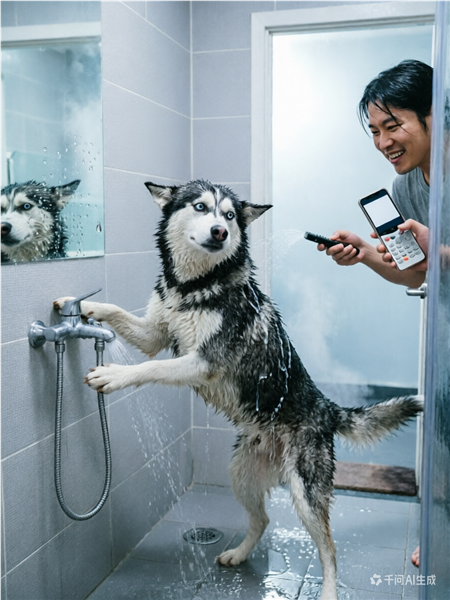
Their body structure is tailor-made for the snowy plains: double coat can withstand extreme cold, compact feet like snowshoes prevent subsidence, upright ears can keenly capture sounds in the wind and snow, and the fluffy tail like a fox's tail can cover the mouth and nose when curled up and resting to keep the face warm. More importantly, they have amazing endurance, can travel tens or even hundreds of kilometers at medium speeds, and have a relatively small amount of food, which is a huge advantage in polar regions where supplies are scarce. At this time, the huskies are silent, tough and reliable working dogs. Every characteristic of them is full of extreme adaptation to the living environment.
Chapter 2: Famous all over the world-the hero of the "Serum Relay"
What brought the Huskies to the world stage was the "Serum Relay" that took place in Nome, Alaska in 1925. At that time, the diphtheria epidemic broke out, the life-saving serum was thousands of miles away, and the snowstorm paralyzed all modern means of transportation. In the end, the relay team consisting of 20 bobsleds and 150 bobsleds dogs completed a 1085-kilometer life rescue under death conditions of minus 40 degrees and a strong wind of magnitude 7. Among them, the husky team led by the leading dogs "Togo" and "Barto" completed the most difficult and longest road section.
The feat was spread around the world through newspapers, and the Husky's astonishing perseverance, speed and loyalty shocked the world. They are no longer tool dogs in remote areas, but have become symbols of courage and dedication. It was this incident that directly promoted the official recognition of the Siberian sled dog by the American Kennel Industry Club and began its worldwide popularization as a working dog and display dog. At this moment, the husky's image is a hero and a savior, with an extremely dazzling aura.
Chapter 3: Entering the Family: The Challenge of Adapting from Working Dog to Partner Dog
After the end of World War II, as its popularity increased, the husky was gradually introduced to families around the world and became companion dogs. However, this shift poses huge challenges for both the breed itself and the breeders. In the husky's genes for thousands of years, it is engraved with the need to run long distances every day, work as a team and complete clear tasks. They were suddenly placed in apartments in the city, living a life of "food" and seriously insufficient exercise. They had nowhere to vent their energy and nature.
As a result, the claws that were once used to dig holes in the snowy plains to keep warm began to be used to dig sofas and wooden floors; the abundant energy used for long-distance trekking was transformed into endless circles, jumping and "demolishing homes"; the howling (rather than barking) used to communicate between the vast world is particularly harsh in quiet residential buildings. Their independent and assertive character is manifested in "selective obedience" in training-they can understand it, but they may not necessarily follow it. These behaviors may seem "destructive" and "disobedient" to the owner, but from the perspective of the dog's nature, they are just instinctive expressions of being trapped in an incompatible environment. The seeds of the initial impression of "committing a second offense" were planted.
Chapter 4: Carnival in the Internet Era-The Birth and Solidification of the Image of "Erha"
The rise of the Internet and social media has pressed the accelerator button for the transformation of the Husky's image. Its unique appearance (handsome appearance resembling a wolf) and contrasting behaviors (various funny and silly moments) form excellent "comedy" material. Netizens keenly captured this contrast:
- The king of emoticons:The husky's blue eyes, white eyes, and slightly curled corners of his mouth, the expression of "disdain, ridicule, and mental retardation" coexisting has been made into a large number of emoticons, accurately conveying the complex emotions in online communication.
- The legend of "demolishing the house":After the owner returned home, he faced a messy scene. The contrast between the husky's innocent expressions of "I didn't do it" and "the furniture started it" constitutes an enduring comedy theme.
- "Dialogue" and "Wolf Howls":Husky likes to use various "ow-wu" tones to sound, as if talking back or singing. The video is very entertaining.
The term "Erha" came into being."Erha" not only refers to his silly and funny behavior, but also carries a kind of intimacy. In the viral spread, the husky's smart and tough heroic side has been gradually diluted, and its funny, off-line and unreliable image of "Erha" has been greatly strengthened and deeply rooted in the hearts of the people. It has become a cultural symbol, representing the humorous spirit of releasing stress and resisting seriousness.
Chapter 5: Breaking the Mist-Getting to Know the Real Husky
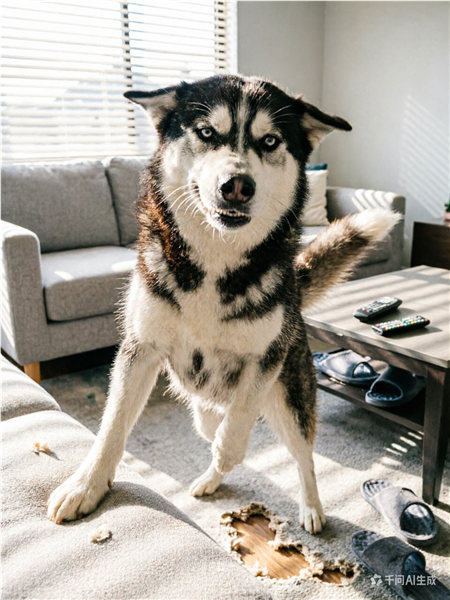
After we laugh, it is necessary to lift aside the Internet veil of "Erha" and get to know the real Siberian sled dog again. They are by no means really "low IQ". On the contrary, in the canine IQ rankings, huskies have strong learning abilities, but they are independent and have their own ideas, which makes compliance training require more skill and patience. Their "destructiveness" often stems from a serious lack of exercise and mental stimulation. A husky who can fully run, explore, and engage in work such as pulling carts every day can become a quiet and stable partner.
Their essence is still the sled dog that requires task, space, and respect. Raising huskies means providing:
- Huge amount of exercise: Atleast 1-2 hours of high-intensity running every day.
- Firm leadership and positive training:You need the owner to become the leader it is willing to follow.
- Safe enclosed spaces:They are curious, easily lost, and love to dig.
- Fully prepare for hair loss: Theamount of hair loss during the double coat season is astonishing.
- Cool living environment:Extremely heat resistant and requires air conditioning or cool living conditions.
Only by understanding its history and nature and providing a matching life can we avoid "forcing" it into a real "Erha" and establish a harmonious people-pet relationship.
Conclusion: Coexistence of two images
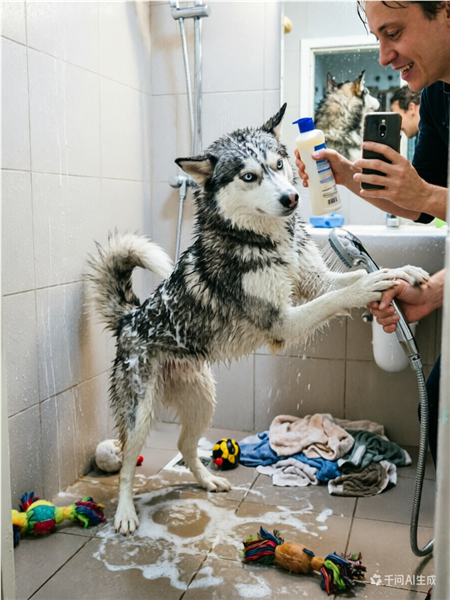
From the ice soldiers in Siberia, to the rescue heroes who have attracted worldwide attention, to the "Erha" in the Internet era in China, this journey condenses one aspect of the changes in the relationship between humans and dogs. Today's huskies bear these two images at the same time: one is a tough and intelligent working dog that exists real in history; the other is a comedy star created by contemporary culture and entertaining the public. The former is its root and soul, and the latter is an opportunity for it to gain unprecedented attention and love in the new era.
As responsible enthusiasts or breeders, we may be able to view it this way: enjoy the happiness brought by "Erha", but respect and satisfy its natural needs as "sled soldiers". When we understand and respect its ancient blood from Siberia, we can appreciate its unique, free and deeply loyal soul. Its "second" may be a unique and humorous reminder it sends to us in the inappropriate modern life. This is also the complex charm of the husky breed that makes people so fascinated.