Preventing hip dysplasia: A guide for daily skeletal health monitoring in Huskies
Husky, with its handsome appearance, abundant energy and unique character, has won the favor of countless pet lovers. However, as a medium and large working dog, Huskies also face the challenges of some genetic health risks, the most common and far-reaching of which iship joint dysplasia. This is a disease in which the ball and socket structure of the hip joint is abnormally developed, which may cause pain, lameness, arthritis, and in severe cases even loss of exercise ability. Fortunately, through scientific daily monitoring, management and prevention, owners can greatly reduce their dog's risk of illness or delay the progression of the disease. This guide will provide you with a detailed explanation of how to protect the bone health of huskies in all aspects such as diet, exercise, environment, and observation.
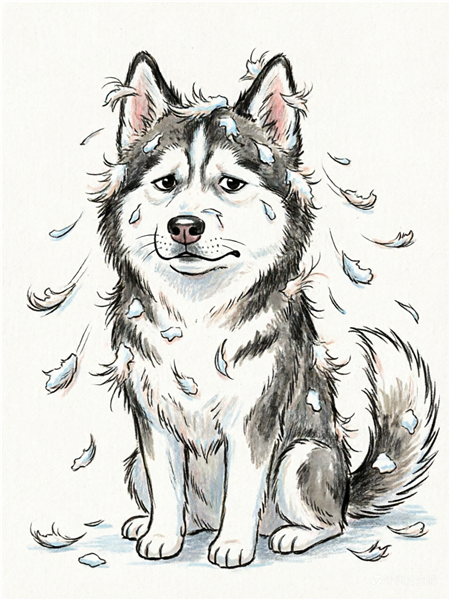
Chapter 1: Understanding hip dysplasia-risks and early signals
Hip dysplasia is not a simple "calcium deficiency" problem, but a complex multi-factor genetic disease that is affected by inheritance, nutrition, growth rate, muscle condition and environmental factors. During the fast-growing pup period of husky dogs (usually 4-12 months), the mismatch between bone and soft tissue development can lead to joint slack and instability, which in turn causes wear and inflammation.
Common risk factors:
- Genetic predisposition: This is the main factor. When purchasing or adopting a husky, you should learn as much as possible about the hip health assessment results of your parents and grandparents (such as OFA or PennHIP certification).
- Rapid growth and excessive weight: Over-feeding during puppies leads to excessive weight gain and puts excessive pressure on underdeveloped joints.
- Improper exercise: Puppy runs, jumps, goes up and down stairs on hard surfaces for a long time, or performs strenuous, high-impact activities.
- Nutritional imbalance: Improper ratio of calcium and phosphorus, or excessive supplementation of calcium and certain vitamins, but interferes with the normal mineralization of bones.
Early symptoms you must be wary of:
Early detection is the key to intervention. Owners should become careful observers and pay attention to the following signs that may indicate hip discomfort:
- Difficulty getting up: Standing up after a break appears stiff, slow, or requires multiple attempts.
- Declining willingness to exercise: Huskies, who were originally lively and active, have become less fond of playing, running or walking.
- Abnormal gait: When walking or trotting, the hind limbs "jump together" like rabbits (called "rabbit jump"), or the hips are significantly swaying left and right.
- Lameness after exercise: Lameness on one or both hind limbs occurs after strenuous exercise, which may be relieved after rest.
- Touch sensitivity: Showing resistance, whimper, or pain response when touching or stretching the hip area of their rear legs.
- Muscle atrophy: Long-term reduced use of the rear legs due to pain, resulting in the muscles of the buttocks or thighs being significantly thinner than the forelimbs.
- Posture change: Stand with your hind legs closer together to reduce joint pressure.
Once any of the above signs are found, please consult a veterinarian promptly and conduct professional examinations (such as palpation, X-rays). Do not diagnose or take medication yourself.
Chapter 2: The cornerstone policy-scientific diet and weight management
"Eat well" does not mean "eat right". For husky bone health, controlling growth rates and maintaining ideal body weight are priorities throughout life.
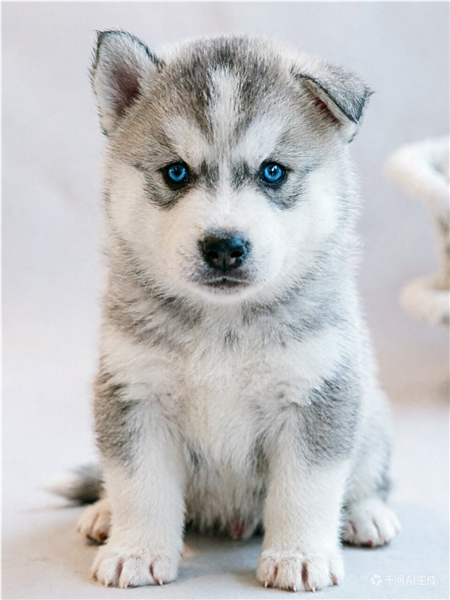
1. Choose the right dog food for your growing stage:
Choose a formula for puppies labeled "Large Puppy." These grains typically have moderate protein and fat content and an adjusted calcium to phosphorus ratio (ideally about 1.2:1) designed to support robust rather than excessive growth. Avoid using ordinary puppy foods or supplements that are advertised as "growth-promoting" or that contain too high calcium.
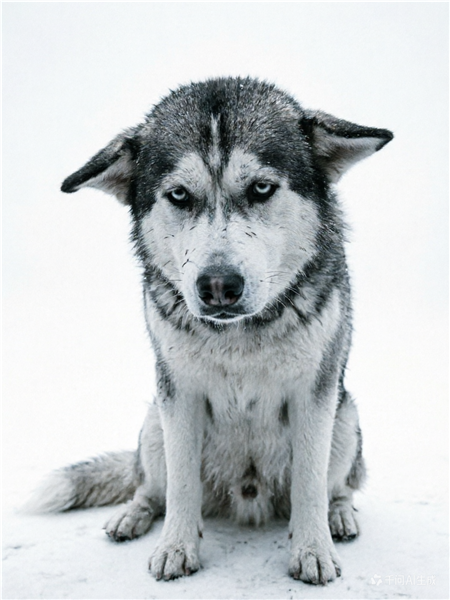
2. Strictly control food intake and weight:
Following the feeding guidelines on dog food packaging is just a starting point. Huskies should be weighed regularly (such as once a month) and judged based on the "body condition score": you can easily touch the ribs but can't see them, the waist is folded when viewed from above, and the abdomen is lifted when viewed from the side. If the weight gain curve is too steep, the amount of feeding should be reduced appropriately. Remember, a slim puppy is far healthier than an overweight puppy.
3. Be cautious about nutritional supplements:
Nevergive extra calcium supplements to puppies without a clear diagnosis of calcium deficiency by the veterinarian! Excessive calcium can seriously disrupt the self-regulatory mechanisms of bone development. If you eat a balanced diet, high-quality commercial dog food can provide all you need. For adult dogs at risk of arthritis, consider adding joint health supplements such as glucosamine, chondroitin, and Omega-3 fatty acids (from fish oil) under veterinary guidance, which help lubricate joints and reduce inflammation.
Chapter 3: Exercise also has a way-appropriate exercise and exercise
Huskies are energetic and need enough exercise, but the method must be scientific, especially during the growth period.
Principles for exercise during puppies (before 1 year old):
- Avoid high-intensity impacts: It is forbidden to run on hard surfaces (concrete floors, ceramic tiles) for a long time, chase Frisbee/ball, stop and make sharp turns, and jump obstacles.
- Limit going up and down stairs: Try to hold the puppy up and down the stairs until its bones are more mature (usually recommended after 6-8 months).
- Promote free, gentle activities: Take short, multiple walks and free exploration on soft grass or land. A good rule of thumb is that "monthly age corresponds to a 5-minute walk", which can be taken multiple times a day. For example, a 4-month-old puppy takes no more than 20 minutes per walk.
- Swimming is a golden sport: Under safe conditions, swimming is a perfect exercise with zero impact on joints. It can excellent exercise for the muscles of the whole body, especially the core muscles that support the joints.
Adult exercise management:
- Regularly rather than aggressive: Maintain regular, moderate exercise every day, such as long walks and jogging (after full development, about 18 months), and avoid "retaliatory" high-intensity exercise on weekends.
- Warm up fully before exercising: Before starting strenuous activities, take a relaxing 5-10 minute walk.
- Pay attention to the post-exercise state: Pay attention to observe for signs of rigidity or limp after exercise, and give adequate rest.
Chapter 4: Preventing problems before they occur-Optimizing the home environment
Home is the place where dogs stay the longest, and a joint-friendly environment is crucial.
- Laying non-slip floor mats: Lay carpets, yoga mats or special non-slip mats in smooth areas such as tiles and wooden floors to prevent the husky from slipping when running and getting up, causing shear damage to joints.
- Provide supportive mattresses: Choose a thick, supportive memory cotton or orthopedic pet bed to provide cushioning and support for joints and avoid sleeping directly on a hard floor.
- Set up barrier-free access: If huskies prefer to get on a sofa or bed, they should be equipped with firm pet steps or ramps to avoid direct jumps.
- Maintain the right room temperature: Cold and humidity may aggravate joint discomfort. During the cold season, keep the kennel warm and dry, and dress elderly or arthritic dogs to keep warm if necessary.
Chapter 5: Long-term monitoring and professional guarantee
Daily care cannot replace professional medical care. Establishing a long-term health monitoring system is a reflection of a responsible owner.
1. Regular veterinary inspections:
Vaccination and physical examination should be completed as planned during the puppy period. At 6-8 months of age or older, a preliminary hip palpation assessment may be discussed with a veterinarian. Dogs planning to breed or want to know the exact health status can be taken for official hip scoring (such as OFA) by taking X-rays after 18-24 months of age.
2. Establish a health record:
Record the dog's weight changes, dietary adjustments, exercise performance, and any abnormal behaviors or symptoms. This information is extremely valuable for veterinary diagnosis.
3. Consider pet insurance:
Diagnosis and treatment of hip dysplasia (such as medication, physical therapy and even surgery) can be costly. Purchasing pet insurance that includes genetic disease protection when the puppy is healthy can eliminate future financial concerns.
conclusion
Preventing husky hip dysplasia is a journey that requires patience and scientific knowledge throughout the dog's life. It starts with your choice of a puppy with healthy hip joints, and is implemented through every day's carefully prepared diet, reasonably planned exercise, carefully arranged home environment, as well as your keen observation and timely veterinary communication. There is no one-for-all solution, but every effort you put in today will be transformed into healthy capital for your dog to run painlessly and have fun to its heart's content for the next decade or so. Let us start from the details to protect the husky's strong bones and happy "dog life".
(Note: All recommendations in this article are general health guidance. Every husky is a unique individual. Specific diet, exercise and medical plans must be formulated after full communication with your attending veterinarian.)