Frequency of physical examinations and prevention of common diseases in Husky: Early screening for eye and skin problems
The husky, scientifically named Siberian sled dog, has won the hearts of countless pet lovers around the world with its wolf-like handsome appearance, charming blue or other-colored eyes, and unfettered "Erhu" personality. However, behind this unique charm, the husky has also become a dog breed with a high incidence of some health problems due to its specific genetic background and physiological structure, among which eye diseases and skin problems are the most prominent. As a responsible pet owner, it is not enough to simply provide food, shelter and companionship. Establishing a scientific regular physical examination system and in-depth understanding of how to identify these potential health threats early are the key to protecting the long-term health and happiness of your dog. This article will systematically analyze the physical examination plan of the husky's entire life cycle, and discuss in depth the prevention and early screening strategies for its high incidence of eye and skin problems.
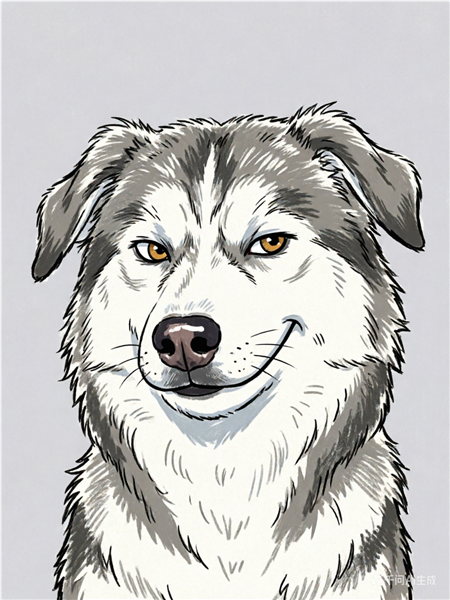
Part 1: Establish a scientific medical examination schedule for husky
Prevention is better than treatment, and regular physical examinations are the cornerstone of pet health management. For Huskies, it is crucial to adjust the frequency of physical examinations and key examination items according to different life stages.
Puppy stage (0-1 years old)
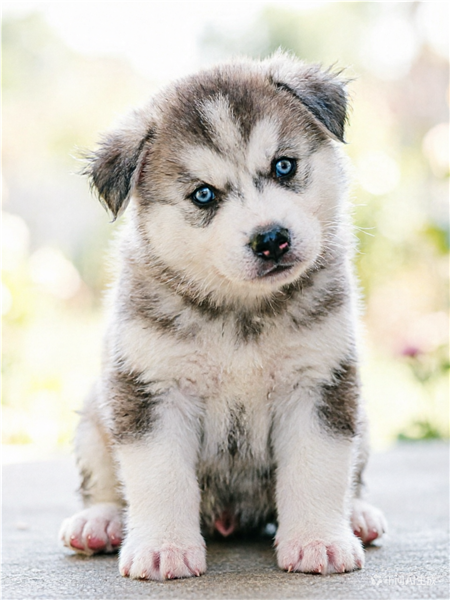
This is a critical period to lay the foundation for health. After being taken home (usually 8-12 weeks old), the first comprehensive physical examination should be performed immediately. Inspection highlights include:
- Basic physical examination:assessment of growth and development, weight, body temperature, cardiopulmonary auscultation, abdominal palpation.
- Screening and immunization for infectious diseases:Complete the vaccination procedures for core vaccines such as canine distemper and parvovirus, and conduct parasite inspection (in vivo and in vitro) and deworming.
- Screening for congenital defects:This stage is the best time to screen for genetic diseases. A veterinarian will perform a preliminary eye examination to see for signs such as congenital cataracts and eyelid abnormalities (such as entropion). Inspect the hip and elbow joints simultaneously to assess the risk of developmental skeletal problems.
- Blood tests:Basic blood and biochemical tests to establish healthy baseline data.
Recommended frequency: Before completing all puppy vaccinations, a basic inspection should be performed at each vaccination. Afterwards, a comprehensive physical examination was performed at 6 months of age and 1 year of age.
Adult dog (1-7 years old)
Huskies enter their most energetic adulthood, and physical examinations focus on maintaining health and early detection of potential problems.
- Annual comprehensive physical examination:This is the iron law. At least once a year, including detailed physical examination, dental assessment, heartworm testing and routine deworming.
- Special in-depth examination: It isstrongly recommended to conduct a professional veterinary eye examination every year starting from the age of 2-3, especially for screening for hereditary eye diseases. At the same time, due to the sensitive skin of husky, the skin and hair condition should be carefully checked at every physical examination.
- Blood and urine tests:conducted once a year to monitor the function of internal organs and promptly detect liver and kidney problems, abnormal thyroid function, etc.
- Lifestyle checks:If your dog exercises a lot or is involved in work such as sledding, more frequent joint and muscle status assessments may be needed.
Elderly (7 years old and above)
As the husky gradually enters old age, its physical functions begin to decline, and physical examinations need to be more detailed and frequent.
- Semiannual physical examination:Change the annual physical examination to every 6 months. The disease may develop faster in older dogs, and more frequent inspections will help with timely intervention.
- Upgrade examination items:On the basis of annual blood and urine tests, X-rays (to assess joints and spine), abdominal ultrasound (to check the shape of internal organs), blood pressure measurement, etc. may be added.
- Encryption of ophthalmology examination:Old age is a period of high incidence of eye diseases such as cataracts and glaucoma, and professional ophthalmology examinations should be performed every 6-12 months.
- Cognitive Function Assessment:Start focusing on early signs of canine cognitive dysfunction syndrome, similar to human Alzheimer's disease.
Part 2: In-depth analysis and early screening of the high incidence of eye problems in huskies
Huskies have a pair of unforgettable eyes, but these eyes can be very fragile. The following are a few genetic and acquired eye diseases that need to be focused on.
1. hereditary cataract
This is one of the most common inherited eye diseases in huskies. Lens protein denaturation causes lens opacity, preventing light from reaching the retina, thereby affecting vision and causing blindness in severe cases.
- Early-onset form:May appear during puppies (weeks to months) or youth (1-3 years old).
- Screening Points: Aprofessional veterinarian or veterinary ophthalmologist will use a slit lamp biological microscope to perform a detailed examination. Pet owners can observe at home whether the dog has gray or blue turbid spots in its eyes, whether it often hits objects, or hesitates to act when the light is low.
- Prevention and management:Drug prevention cannot be achieved. When purchasing a puppy, be sure to ask for an ophthalmic examination certificate (such as a CERF or OFA certificate) from the parent dog. Once diagnosed, the speed of development needs to be monitored regularly. When quality of life is affected, surgical treatment (phacoemulsification) may be considered.
2. glaucoma
Due to the obstruction of aqueous humor in the eye, the intraocular pressure increases sharply or slowly, damaging the optic nerve and retina. It is a very painful emergency that can quickly lead to blindness.
- Primary glaucoma: Thereis a genetic predisposition in huskies and usually affects both eyes, but may occur at different times.
- Screening points: Aprofessional eye examination will measure intraocular pressure. Pet owners should be vigilant for these signs: red eyes, pain (dogs dodge touch, scratching eyes with claws), corneal opacity (blue or white), dilated pupils and unresponsive to light, significantly prominent eyes, and sudden loss of vision.
- Prevention and Management:Urgent! Once glaucoma is suspected, you must seek medical attention immediately, measured in minutes and hours. The goal of treatment is to quickly reduce intraocular pressure, relieve pain, and preserve vision as much as possible. Lifelong use of intraocular pressure lowering drugs may be required, and in severe cases surgery is required.
3. Progressive retinal atrophy
A group of inherited, progressive, irreversible retinal degenerative diseases that ultimately lead to blindness. PRA usually begins to develop before symptoms appear.
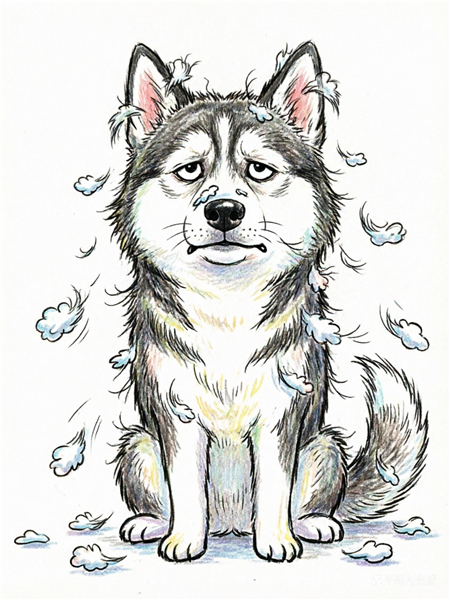
- Screening points: There isno obvious appearance change in the early stage. Professional examinations require ophthalmoscope to observe changes in retinal blood vessels, enhanced reflexivity, etc., and a more accurate diagnosis can be made through electroretinogram. The first thing pet owners may notice is reduced night vision (night blindness) and dogs are clumsy in moving at dusk or in the dark.
- Prevention and management:Also rely on responsible reproductive screening. There is currently no cure. But blind dogs can have a high quality of life through good home environmental management (fixing furniture locations, using odor markings, verbal prompts).
4. Corneal dystrophy/degeneration
Opaque lipid or calcium deposits appear in the cornea, affecting vision. It is usually bilateral and may be related to inheritance or metabolism.
- Screening points:White or gray-white spots or annular opacities can be seen with the naked eye in the center or periphery of the cornea. It is usually not painful, but in severe cases it may cause ulcers.
- Prevention and management:Regular eye examination and monitoring. If symptoms are asymptomatic and do not affect vision, treatment is usually not required. If ulcers occur or the effects are severe, veterinary intervention is required.
Key points for daily eye care at home:Gently clean secretions around the eyes with a moist soft cloth every day; observe whether the eyes are clear and bright, for redness and swelling, and abnormal increase in secretions; avoid foreign bodies and injuries; provide a diet rich in antioxidants (such as vitamins A, C, E, lutein, zeaxanthin) to support eye health.
Part 3: Comprehensive Prevention and Treatment Guidelines for Common Skin Problems in Huskies
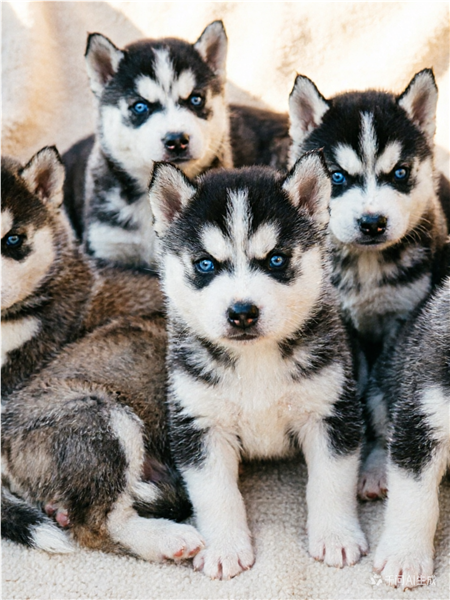
Husky has a thick double coat, which is both a tool for adapting to the severe cold and makes skin problems easy to ignore. Skin problems are mostly related to allergies, immunity and external factors.
1. allergic skin diseases
This is the number one culprit of husky skin problems, mainly including:
- Atopic dermatitis:A genetic allergic reaction to environmental allergens (such as dust mites, pollen, mold spores). It is manifested as severe itching, often licking the paws, rubbing the face, scratching the armpits and groin. Erythemas and papules may appear on the skin, which can lead to pigmentation and lichenization for a long time.
- Food allergy:An immune response to a protein in food (e.g. beef, chicken, dairy products, wheat). Symptoms are similar to atopic dermatitis and may be accompanied by gastrointestinal symptoms (vomiting, diarrhea).
- Flea allergic dermatitis:Severe allergies to flea saliva. Even if you are bitten by only one flea, it may cause severe itching throughout the body.
Screening and diagnosis:Diagnosing allergies is an elimination process. Veterinarians will conduct detailed consultations and conduct a thorough body surface examination (looking for fleas, lice), and may recommend a food exclusion test (lasting 8-12 weeks, using hydrolyzed protein or new protein recipes) to identify food allergies. Intradermal allergy testing or serum allergen testing can help identify environmental allergens.
2. pyoderma
Bacteria (usually staph) infect the top or deep layers of the skin. It is rarely a primary disease, but is mostly secondary to skin barrier damage caused by allergies, parasites, endocrine diseases, etc.
- Manifestations:Pustules, papules, crusts, round hair removal spots, increased dandruff, accompanied by peculiar smell.
- Screening:Veterinarian confirms the diagnosis through clinical symptoms and cytological examination (observation under a microscope for bacteria and inflammatory cells in skin scrapes or tablets).
- Treatment:Sensitive antibiotics (oral or medicinal bath) are needed, and the root cause must be treated, otherwise it is easy to relapse.
3. zinc-reactive dermatosis
Northern dog breeds such as huskies may poorly absorb zinc, causing scabs, hair loss, and erythema on the skin, especially on the nose, nose, around the eyes, ears, elbows and pressure points. May be accompanied by symptoms such as diarrhea and growth delay.
Screening and treatment:Based on medical history, clinical manifestations and skin biopsy tips. Zinc supplements (such as zinc sulfate and zinc methionine) are usually effective, but they need to be carried out under the guidance of a veterinarian. Excessive zinc supplements are toxic.
4. Endocrine dermatosis
Elderly huskies need to pay attention to hypothyroidism. Symptoms include: drowsiness, obesity, fear of cold, dry coat and easy to fall off (especially on the trunk and tail root), thickening and pigmentation of the skin, and repeated infections.
Screening:Diagnosis is confirmed by blood testing for thyroid hormone levels.
Key points for daily family skin and hair care:
- Scientific bathing:Use pet-specific, mild and hypo-sensitive body wash. Bathing should not be too frequent (usually 1-2 times a month). The water temperature should not be too high. Be sure to thoroughly rinse it and completely blow dry the underlying fluff to prevent moisture from inducing skin diseases.
- Extreme combing:Husky shed an amazing amount of hair during the molting season (twice a year). Adhere to combing every day to remove dead hair and dust, promote skin blood circulation, and detect abnormalities on the skin early. Use professional tools such as needle combs and bottom hair harrows.
- Nutritional support:Provide high-quality, nutritionally balanced staple foods. Additional Omega-3 and Omega-6 fatty acids (from fish oil and flaxseed oil) can be supplemented. They have strong anti-inflammatory effects, nourish the skin and improve the quality of the coat.
- Environmental control:Keep the home environment clean, clean bedding regularly, and use air purifiers to reduce allergens. During the pollen season, you can wipe the soles of your feet and body after walking your dog.
- Regular deworming:Strictly implement monthly external or oral deworming procedures to prevent skin problems caused by parasites such as fleas and ticks.
Part 4: Integrated health management-Physical examination, nutrition and lifestyle
Eye and skin health are not isolated, they are closely related to the overall health of the husky. A strong immune system, a healthy digestive system and moderate weight are the basis for fighting all diseases.
- Balanced nutrition:Choose high-quality dog food that suits their life stage, activity level and health status. Avoid frequent food changes or feeding too many human snacks.
- Adequate exercise:Huskies are working dogs and need a lot of exercise to consume energy, maintain a healthy weight and a good mental state. At least 1-2 hours of high-intensity activity (running, pulling, agility training) every day is crucial.
- Mental health:Provide enough social, companionship and educational toys to prevent compulsive licking or scratching behavior caused by boredom and anxiety (which may lead to skin damage).
- Establish health files:record each physical examination report, vaccination and deworming time, hygiene products used, diet changes, etc. This file can provide invaluable information to veterinarians when health problems arise.
conclusion
Raising huskies is a journey full of joy and challenges. Beneath their "two ha" appearance, there is a fragile side that needs careful care. As masters, our greatest responsibility is to be the first line of defense for their health. By formulating and adhering to a scientific regular physical examination plan, and becoming a careful observer and familiarizing ourselves with the dog's eye expression and skin coat state when normal, we can catch signals in time when problems first emerge. Early screening, accurate diagnosis and timely intervention can not only greatly improve the treatment success rate and reduce the pain of loved dogs, but also effectively control medical costs and extend their healthy and happy companionship. May every husky parent be able to arm themselves with knowledge, fulfill their commitments with actions, and jointly protect the bright eyes and smooth fur of these "snow elves", so that they can run in every life without worry. Season.