Welcoming a puppy home means embarking on a journey full of surprises and challenges. As they grow from fluffy sucky dogs to handsome adults, they go through two crucial physiological stages: the embarrassment period and the tooth replacement period. These two stages are often intertwined and have a profound impact on the appearance, behavior, and health of the puppy. As responsible pet parents, understanding how to respond scientifically and providing correct nutritional support and behavioral guidance is the key to helping your dog make a smooth transition and laying a healthy foundation for a lifetime. This article will provide you with an in-depth analysis of the mystery of puppies 'embarrassing period and tooth replacement period, and provide practical nutritional supplement solutions and recommendations for teething toys.
Chapter 1: The "embarrassing period" of meeting puppies
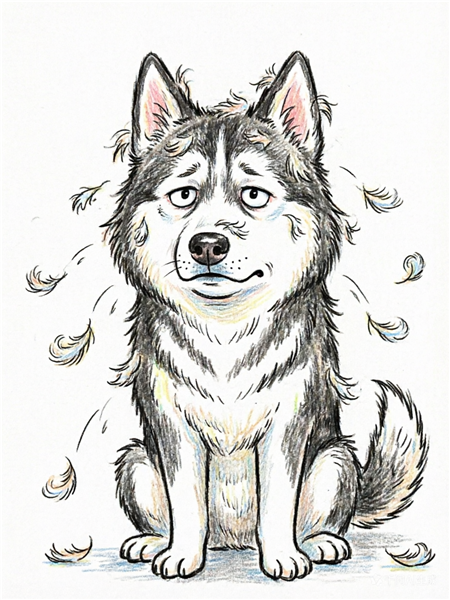
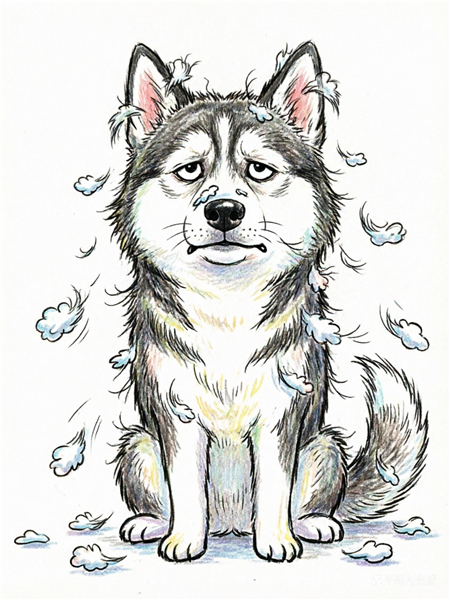
The "embarrassing period" usually refers to the period when the puppy is temporarily out of proportion during the rapid growth and development stage, and the appearance looks uncoordinated or even a little "ugly". This is not a disease, but a necessary path to growth.
1.1 Performance and duration of the embarrassing period
The embarrassing period mostly occurs between 3 and 8 months of age for puppies, due to slight differences in breeds and individuals. Large dogs may last longer. The main manifestations include: the body is thin and slender, like a "bean sprout"; the limbs are long and slender, disproportionate to the body; the face becomes longer, losing the roundness of childhood; the coat is sparse, rough, and losing its luster; the overall look is "monkey in the monkey", which is far from the breed standard.
1.2 The nature of the embarrassing period
The essence of the embarrassing period is that the growth rates of different tissues such as bones, muscles, and hair are not synchronized. Bones (especially long bones) are the first to grow rapidly, lengthening the body's framework, while the filling of muscles and fat and the replacement of hair require more time and nutritional support, resulting in temporary "disconnection". This is a smart choice for puppies to prioritize nutrition for bone development.
1.3 Parents 'correct mentality and care
First of all, please treat it with a normal mind. This is a sign of health. Secondly, the focus of care should be on providing comprehensive and balanced nutrition to support their overall development, rather than simply pursuing "gain weight". Ensure sufficient high-quality protein, appropriate calcium to phosphorus ratio, essential fatty acids and vitamins to provide raw materials for muscle growth and hair growth. At the same time, maintain moderate exercise to promote muscle development and strong bones.
Chapter 2: Uncovering the "tooth replacement period" of puppies
The tooth replacement period and the embarrassment period highly overlap, and is usually a concentrated period for puppy behavior changes and "destructive power" appears.
2.1 Tooth replacement timeline and process
Puppy dogs usually start to grow deciduous teeth at 3-4 weeks of age, and by about 2 months of age, all 28 deciduous teeth are basically in place. Starting from about 4 months of age, the roots of deciduous teeth are absorbed, loosened, and shed off by the gradually growing permanent teeth, and the permanent teeth erupt. By the age of 6-7 months, all 42 permanent teeth should be replaced. This process is accompanied by swelling, itching and pain in the gums.
2.2 Discomfort and behavioral signals during tooth replacement
Puppies can become particularly fond of chewing on everything they can come into contact with due to their uncomfortable gums, including furniture, slippers, wires, and even the owner's hands. It may be accompanied by increased drooling, temporary loss of appetite, occasional gum bleeding, a preference for licking or pressing your teeth with your tongue, and a slight irritability. Nibbling is their instinctive behavior to relieve pain and help deciduous teeth fall out.
2.3 Important matters to note during the tooth replacement period-be wary of "double rows of teeth"
Double rows of teeth refer to the phenomenon that deciduous teeth have not fallen off on time, but permanent teeth have sprouted from the side, forming two rows of teeth coexist. Common in small dogs. Causes include inheritance, excessive calcium intake, lack of enough hard chewing friction, etc. Double rows of teeth can easily hide dirt, causing calculus, bad breath, gingivitis, and even affecting the alignment of permanent teeth. The key to prevention is to provide suitable hard molars to encourage chewing. If the permanent teeth are fully grown but the deciduous teeth have not fallen out, consult the veterinarian promptly and consider surgical extraction.
Chapter 3: Comprehensive strategy for nutritional supplements for puppies during special periods
Nutrition is the cornerstone to support puppies through embarrassing periods and tooth replacement periods. At this stage, the demand for energy, protein, and minerals reaches a lifetime peak.
3.1 Core dietary principles: Choose high-quality puppy food
You must choose "full-price puppy diet" or "full-age dog diet" that meets AAFCO (American Feed Management Association) or similar authoritative standards. This dog food is specially designed for puppies and has high energy density, high digestibility, and an optimized calcium to phosphorus ratio (usually approximately 1.2:1). Check the ingredient list, and the top few should be clear sources of animal protein (such as chicken, beef, fish).
3.2 Supplement strategies for key nutrients
- Protein and amino acids:They are the main raw materials for muscle, hair, and antibodies. Ensure that the protein content of dog food is between 22% and 32%(the food for large dogs and puppies can be slightly lower to control excessive growth). Add extra cooked chicken breast, egg yolks, and un-added yogurt as a high-quality protein addition.
- Calcium and phosphorus: Atthe heart of bone and tooth health. Don't blindly replenish calcium! Excessive calcium supplementation is one of the culprits that leads to abnormal bone development and double rows of teeth. High-quality puppy food has provided accurate proportions. Unless a veterinarian clearly diagnoses a calcium deficiency, no additional calcium supplements are necessary.
- Omega-3 and Omega-6 fatty acids:crucial for skin health and hair shine, and can help dogs improve hair quality during embarrassing periods. It can be supplemented by adding deep-sea fish oil (EPA/DHA), flaxseed oil, or feeding fat-rich fish such as salmon.
- Vitamins and minerals:Vitamin A, D, E, and B groups, as well as zinc, copper, etc., are involved in metabolism, immunity and skin hair health. Choosing a nutritionally balanced dog diet is the basis, and you can also occasionally add a small amount of chopped liver (no more than once a week) or a pet-specific multivitamin (as directed by your doctor).
3.3 Choice of functional nutrients
On the basis of a balanced diet, you can optionally add as needed:joint health care products (such as containing glucosamine and chondroitin) , which are beneficial to preventing joint problems in medium and large dogs and puppies;probiotics/prebiotics to maintain sensitive stomach and intestines that may occur during the tooth replacement period;goat milk powder, as a mild nutritional supplement, is suitable for puppies with weak physique or shortly after withdrawal.
All nutritional supplements should follow the principle of "gradual and observed adaptation" to avoid sudden changes in diet or excessive supplements.
Chapter 4: Authoritative recommendations on teething toys and supplies
Providing safe and suitable teething toys is a win-win solution to meet the physiological needs of puppies, protect household items, and promote dental health.
4.1 Core criteria for selecting teething toys
- Safety:The material is non-toxic, bit-resistant, and is not easy to break into sharp fragments or be swallowed. Avoid splitting teeth caused by hard materials (such as some hard nylons, bones).
- Palatability:Can attract dogs to take the initiative to bite.
- Appropriate size and hardness:the size should allow the dog to bite comfortably, and the hardness should be such that strong pressure on the nails can leave slight marks.
- Cleanability:Easy to clean and prevent the growth of bacteria.
4.2 Detailed explanation and recommendation of teething toy types
(1) Rubber/silicone toys
Characteristics:Soft, elastic, biting resistant, can often fill food and add fun.
Recommended:
KONG Classic Gourd: Can be filled with yogurt, dog food, and snacks. After freezing, it can relieve gum discomfort for a long time.
West Paw Zogoflex series: Environmentally friendly and durable materials, floating design, and can also be used as interactive toys.
(2) Rope toys
Characteristics:By biting and pulling, it can effectively clean the gaps between teeth and help scrape plaque.
Usage Note:Use under parental supervision to prevent dogs from swallowing the bit thread. Regularly check wear and replace them in time.
Recommendation:Choose a cotton, tightly knitted knot toy.
(3) Edible teeth snacks/bars
Characteristics:It can not only grind your teeth, but also serve as a reward to satisfy your appetite.
Selection points:Choose products with natural ingredients, low fat, low salt, and moderate hardness. Select the right size based on the dog's size, control the feeding amount, and include it in the total daily calories.
Recommended:
Natural air-dried meat skins/tendons (such as cowhide rolls, beef tendons): High protein content and resistant to chewing.
Clean your bones:Choose products certified by VOHC (Veterinary Oral Health Council) to help clean your mouth while grinding your teeth.
(4) Frozen toys/food
Characteristics:Low temperature can effectively paralyze the gums and relieve swelling and pain. It is especially suitable for puppies with obvious pain in tooth replacement.
DIY method:Fill KONG toys with wet grain and freeze them; pour salt-free broth and yogurt into ice compartments to make "ice snacks"; freeze a carrot and feed them (subject to supervision).
(5) Professional molar stick (nylon/antler, etc.)
Characteristics:Extremely wear-resistant, suitable for dogs with a strong desire to bite.
Important warning:You must choose products with reliable quality and smooth edges. Natural products such as antlers should pay attention to their hardness. For puppies and dogs with fragile teeth, there is a risk of tooth collapse. It is recommended to choose carefully or use it for a short period of time under close supervision.
4.3 Toy use and rotation strategies
Don't provide all toys at once. Adopt a "toy rotation system", take out 2-3 kinds at a time and replace them regularly, which can always maintain the dog's freshness and interest. When a puppy tries to chew furniture or an item that should not be bitten, immediately attract and replace it with a teething toy, and give praise and reward to positively guide its behavior.
Chapter 5: Comprehensive nursing care and behavioral guidance
In addition to nutrition and grinding teeth, comprehensive care and correct guidance are equally important.
5.1 Enlightenment in oral care
The tooth replacement period is a golden time to establish oral care habits. Let dogs get used to being touched in their mouths from an early age. At the beginning, you can wrap your fingers with wet gauze and gently massage your gums and teeth. Gradually transition to using pet-specific toothpaste (never use human toothpaste) and finger-cuff brushes or small-head soft-bristle toothbrushes for cleaning.
5.2 Provide adequate exercise and mental activity
Moderate amount of exercise can consume the puppy's excess energy and reduce the destructive biting caused by boredom. Combining mental activities such as sniffing, chasing, and simple obedience training can leave the dog physically and mentally exhausted and rest quietly after returning home.
5.3 Environmental management and positive strengthening
Manage the environment well and collect valuables, wires, and toxic plants. Create a safe and comfortable exclusive resting and play area for dogs. When it takes the initiative to nibble on the toy you provide, promptly give snacks, touches or verbal praise to strengthen this correct behavior.
conclusion
The embarrassing period and tooth replacement period of puppies is an important transformation in their lives. As parents, we may temporarily miss their childhood cuteness, but we should witness and support this gorgeous turn of growth with full expectation. Through scientific nutritional supplements, we inject motivation into their physical development; by providing safe and interesting teething toys, we help them relieve discomfort, protect their homes, and protect their dental health throughout their lives. Although this time is full of challenges, it is also an excellent opportunity to build deep trust and understanding. Please have more patience and understanding, accompany your child with love and knowledge, spend this special period smoothly and healthily, and welcome the arrival of a confident, beautiful and healthy adult dog. Remember that every effort you put into now will be transformed into the cornerstone of health and happiness for the next decade.