Be wary of summer heat stroke and winter warmth: Key points of outdoor care for Huskies throughout the year
Husky, with its trademark blue eyes, handsome facial lines and tireless vitality, has captured the hearts of countless pet lovers. They are genetically derived from cold Siberia, which gives them unique double coat and excellent endurance, but it also means that they have special sensitivity and adaptability needs to the climate, especially high temperatures. Many owners mistakenly believe that huskies with thick fur are naturally cold and resistant and are helpless against the heat. This is actually a huge cognitive misunderstanding. Scientific and meticulous four-season care is the key to ensuring the health and happiness of this "snow elf". This article will systematically sort out the core points of outdoor care for huskies in the four seasons of spring, summer, autumn and winter, focusing on preventing heatstroke in summer and keeping warm scientifically in winter, helping you become a qualified parent who understands it better.
Chapter 1: Summer protection-a smart game against high temperatures
Summer is the season when you need the most vigilance in husky care. Their heavy double coat coat is designed for severe cold temperatures of tens of degrees below minus zero. In a high temperature and high humidity environment, the heat dissipation efficiency is extremely low and it is easy to cause heatstroke, which is a life-threatening emergency for dogs.
1.1 Risk and identification of heat stroke
The critical temperature of heatstroke in husky is much lower than we imagined. When the ambient temperature exceeds 28°C, the risk increases significantly. When the humidity is high, the body temperature is higher and the risk is increased. Early signs of heatstroke include excessive breathing, increased salivation, red or purple gums, rapid heartbeat, listlessness, and unstable steps. In severe cases, vomiting, diarrhea (even bloody), convulsions, and coma can occur. If not treated in time, organ failure and death can occur in a short period of time.
1.2 Core heatstroke prevention strategies
Time management:Absolutely avoid outdoor activities between 10 a.m. and 4 p.m. Dog walking and exercise should be arranged around sunrise in the morning or after sunset at night. Even during cool hours, always touch the ground to ensure that the surface temperature does not burn their foot pads.
Activity adjustments:Replace strenuous exercises such as high-intensity running and catching balls with short, slow walks, or find shade for simple interactive games. Carry enough and fresh drinking water at all times and encourage them to drink water in small quantities and multiple times.
Environmental creation:Ensure ventilation and coolness in the room, and provide a resting place with the help of air conditioners, fans or cooling mats. Never leave a husky alone in a closed car. Even if it is "only left for a few minutes", the temperature inside the car will soar to fatal levels in a short period of time.
1.3 Physical cooling techniques
Special pet ice mats or sleeping mats can be prepared. Wipe the blood vessel rich areas such as his abdomen, armpits, and groin with a wet towel to help dissipate heat. You can provide ice cubes for licking, or make pet-friendly frozen snacks (such as lactose free yogurt jelly, chicken soup ice cubes). Important tip:Don't shave husky's hair in summer! The outer bristles of the double coat can reflect part of the sunlight, and the inner fluff can isolate hot air, forming a natural "insulation layer". Shaving not only destroys this protection, exposing the skin directly to ultraviolet light, increasing the risk of sunburn and skin cancer, but may also affect hair growth and cause permanent damage to the hair.
1.4 Emergency heat stroke treatment
Once heatstroke is suspected, you must take immediate action: quickly move the dog to a cool and ventilated place; pour cold water (non-ice water) on the body, especially the head, neck, abdomen and soles of feet, or wrap it with a wet towel; use a small amount of cold water to let him drink; While performing first aid, contact the veterinarian immediately and send him to the hospital. Minutes count!
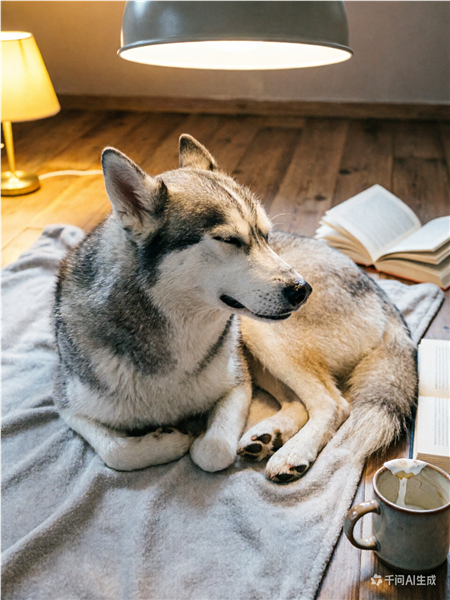
Chapter 2: Winter Care-Keep warm ≠ Excessive protection
Huskies are inherently cold-tolerant, but that doesn't mean they can survive any cold conditions. Puppy dogs, elderly dogs, and dogs recovering from diseases also need attention. The core of winter care is to "scientifically utilize its nature and avoid artificial misunderstandings."
2.1 Husky's cold protection mechanism
The husky has a top-of-the-line double coat: the thick and soft bottom velvet is like a thermal underwear, which can lock in body heat; the longer needle hair on the outer layer is like a windproof and waterproof jacket, which can effectively block wind, snow and moisture. They are very adaptable in dry and cold environments.
2.2 Key points of outdoor activities in winter
Enjoy ice and snow:Most huskies love snow and allow them to run and roll in safe areas, which greatly satisfies their nature and sports needs. However, it should be noted that chemicals such as snow depressants and antifreeze are toxic to dogs. After walking, be sure to clean the soles of your feet and abdominal hair to prevent them from licking.
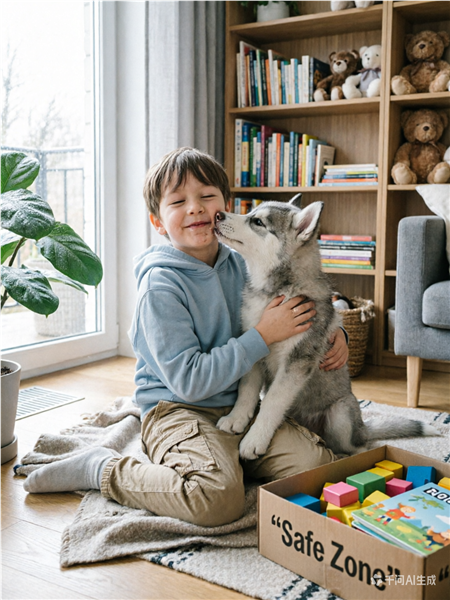
Pay attention to foot mats:In extremely cold weather, ice and snow may cause cracking or frostbite of foot mats. You can apply pet-specific foot cream, or consider using suitable pet shoe covers in extreme weather.
Visibility is Key: When itgets dark early in winter, be sure to wear reflective collars, chest straps or equipped with LED lights to ensure that vehicles and pedestrians can clearly see them.
2.3 Management of indoor and outdoor temperature differences
Sudden entry from a warm indoor to a cold outdoor, or vice versa, may cause discomfort. You can make a slight transition at the door. Indoor heating should not be too high, and maintaining a relatively stable, cool and dry environment is more in line with its physiological characteristics.
Clothing myth:For healthy adult huskies, clothes are usually not needed in dry and cold daily environments. Clothing may compress and entangle its coat, affect its own temperature-regulating function, or even cause overheating. But for short-haired varieties (such as "woolly" huskies), elderly dogs, or particularly cold and humid weather, a waterproof and windproof coat that fits well, breathes, and does not rub against the skin is a consideration.
2.4 Nutrition and hydration
Outdoor activities in winter may consume more, and the intake of high-quality protein and fat can be appropriately increased to provide more energy. Make sure you drink enough water to prevent them from licking ice and snow due to thirst. Ice and snow can excessively lower body temperature and may irritate the stomach.
Chapter 3: The Transition of Spring and Autumn-The Battle of the Hair Changing Season
Spring and autumn are the main molting periods for huskies, and they will "blow" off the inner bottom velvet to adapt to the upcoming seasonal changes. The focus of care during this period is hair management.
3.1 Combing is the top priority
Thoroughly comb at least once a day, using a bottom fleece comb, hair removal comb, or needle comb to help remove large amounts of loose dead hair. This not only reduces hair flying at home, but also promotes skin blood circulation and new hair growth, and prevents skin problems caused by hair knots and dampness. Be sure to thoroughly dry the bottom velvet after taking a bath. The moist bottom velvet can easily breed bacteria and cause skin diseases.
3.2 Nutritional support
The molting period requires high nutrients, especially Omega-3 and Omega-6 fatty acids, which are good for hair health. Fish oil, egg yolks or professional hair-beautifying skin care supplements can be added to your diet. Ensure adequate drinking water.
3.3 Health monitoring
While combing, it is also the best time to check the skin. Pay attention to whether there are abnormal erythema, dander, parasites or local hair loss, and detect early and treat it early.
Chapter 4: Outdoor safety guidelines that are common throughout the year
No matter how the seasons change, some safety principles are timeless.
The importance of the traction rope:Huskies are curious, have a strong desire to run, and have a certain chasing instinct (for small cars, small animals, etc.). In any environment that is not absolutely closed and safe, it is necessary to use a strong traction rope, which is the first line of defense responsible for its life.
Identification:Make sure the collar has a clear contact tag and a microchip implanted as permanent identification in case you get lost.
Parasite prevention:Insist on monthly use of reliable external anthelmintics and internal anthelmintics according to veterinary recommendations. Heartworm is transmitted by mosquitoes and requires monthly preventive medication.
Paw Care:Regularly inspect and trim the soles of your feet and nails. The hair on the soles of the feet is too long and easy to slip indoors, and it is easy to hide dirt and freeze outdoors. Long nails affect walking and joint health.
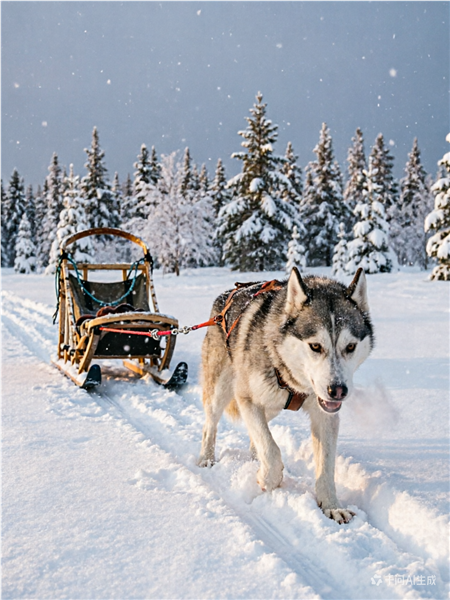
Observation and interaction:Observe the dog's mental state, appetite, and feces daily. Outdoor activities are a valuable time to establish a deep emotional connection with your dog. More interaction, encouragement and reward will allow him to feel the joy and safety of outdoor activities.
conclusion
Raising a husky is a journey full of challenges and endless fun. They are not only pets, but also companions with the blood of the wilderness. Understanding their climate-specific needs is a crucial part of this responsibility. In summer, we need to be their "intelligent guardians" against the heat; in winter, we should become "supporters" who respect their nature and provide moderate care. Through scientific four-season care, we can not only effectively avoid health risks, but also allow huskies to give full play to their breed charm and enjoy the joy of running and exploration on the premise of safety and health. This meticulous care will eventually bring it unreserved trust, companionship and the unique "Er-Kazakh" warmth.
(The full text is about 2200 words)