The average life expectancy of a husky is 12-15 years! Scientific maintenance helps it live a long life
Having a lively, active and expressive husky is the dream of many pet owners. They are energetic and friendly, bringing countless joys to the family. However, as masters, what we care about most is that they can stay with us healthily and for a long time. The average life expectancy of huskies is usually between 12 and 15 years, which is not fixed. Inheritance, environment, and especially the owner's maintenance methods jointly determine the length and quality of this "snow elf"'s life. This article will provide you with a detailed and scientific strategy for the longevity maintenance of husky dogs. From puppies to old age, you will protect their health in all aspects, giving your dog the opportunity to move towards the milestone of "centenary"(dog birth).
1. Lay the cornerstone of longevity: Scientific diet management
"Food is the most important thing for the people", and the same goes for dogs. A reasonable diet is the first line of defense for Huskies to maintain a healthy and long life.
1. Choose premium dog food
Huskies are medium and large working dogs and have unique metabolic characteristics. High-quality large and medium-sized adult dog food or full-term dog food with moderate protein content (about 22%-32%) and reasonable fat content (about 12%-18%) should be selected. Avoid choosing cheap dog food that contains too much grain content or contains a lot of artificial additives and preservatives. Good sources of protein (such as chicken, fish, mutton) help maintain strong muscles, while appropriate fat provides long-lasting energy that adapts to its active nature.
2. Control food intake and weight
Huskies are prone to obesity due to insufficient exercise or excessive eating. Obesity is the root cause of all diseases and greatly increases the risk of joints, heart and diabetes. Be sure to follow the recommended feeding amount on the dog food packaging and adjust it based on the dog's actual body size and activity level. Touch its ribs regularly. You should be easy to touch but no obvious bulges can be seen. Maintaining a "strong" body shape is the key.
3. Nutritional supplements and contraindications
You can supplement appropriate amounts of Omega-3 fatty acids (such as fish oil) that are good for joints and nutrients that maintain skin and hair health. It is important to keep in mind that many human foods are fatal to dogs, such as chocolate, grapes/raisins, onions, garlic, xylitol (commonly found in sugar-free foods), etc., and feeding is absolutely prohibited. Bones, especially cooked poultry bones, can easily break and cause perforations in the digestive tract, which should also be avoided.
2. Release natural energy: adequate and reasonable exercise
Huskies are famous for being "dead" and "director of demolition office". Their roots lie in the huge unmet need for sports.
1. Daily exercise required
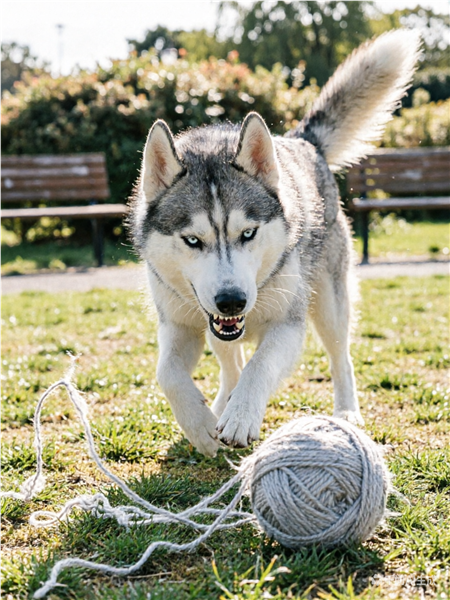
A healthy adult husky needs at least 1-2 hours of high-intensity exercise every day. This is not just about walking. It should include running, catching a Frisbee, riding a bicycle, running freely on a safe ground, etc. Exercise can not only consume their excess energy and prevent behavioral problems such as demolition, but also effectively maintain cardiovascular health, strengthen musculoskeletal strength, and control weight.
2. Precautions in sports
Due to the husky's primitive hunting and running instincts, it is important to carry out activities in an absolutely safe, closed environment or using strong traction ropes. Hot weather is the enemy of huskies, and their heavy coat is designed for severe cold. In summer, you should choose the early morning or evening cool period to exercise, and provide drinking water at any time to prevent heatstroke.
3. Mental exercise is equally important
In addition to physical exercise, mental stimulation is indispensable. Educational toys, Tibetan food games, and basic to advanced obedience training (such as sitting, waiting, recalling, etc.) can all allow them to use their brains to avoid destructive behaviors caused by boredom and maintain mental health.
3. Prevent problems before they occur: regular physical examinations and vaccinations
Prevention is always better than cure, and regular veterinary inspections are the key to early detection of potential health problems.
1. Annual physical examination cannot be ignored
Even if the dog appears to be very healthy, a comprehensive physical examination at least once a year is a must. Physical examinations usually include auscultation of heart and lungs, examination of teeth, eyes, ears, palpation of abdomen and lymph nodes, etc. For elderly huskies over the age of 7, it is recommended to have a physical examination every six months and add blood biochemistry tests to monitor visceral function.
2. Core vaccines and deworming
Complete vaccination and booster immunization with core vaccines such as canine distemper, parvovirus, and rabies in strict accordance with the timetable recommended by the veterinarian. At the same time, we insist on carrying out in-vivo and in-vivo deworming every month to prevent the infestation of parasites such as heartworms, fleas, and ticks, which can spread serious diseases.
3. Screening for common genetic diseases in husky
Huskies have a number of diseases that are susceptible to, such as hip dysplasia, eye diseases (progressive retinal atrophy, cataracts) and zinc-deficient skin diseases. During the puppy period or before breeding, relevant genetic or imaging screening can be carried out to understand the risks in advance and formulate prevention or management plans.
4. Daily care details: from fur to teeth
Careful daily care can significantly improve the quality of life of huskies and prevent small problems from developing into major diseases.
1. Nursing of double coat
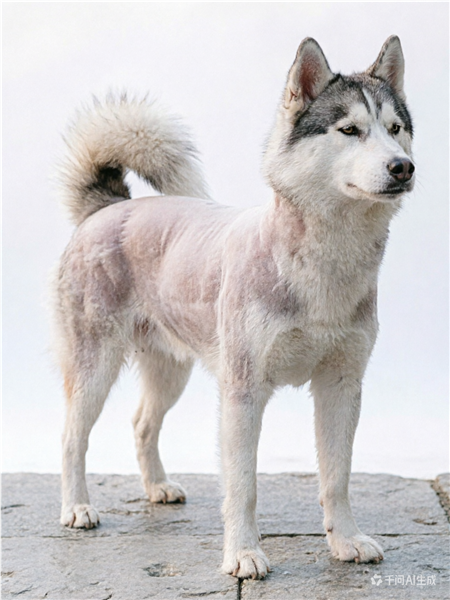
Huskies have a thick double coat and experience two severe "molting periods" every year. During this period, you need to use a needle comb or bottom hair comb to comb every day to remove dead hair, prevent knots, and promote skin blood circulation. You can usually comb it 2-3 times a week. Bathing should not be too frequent, just once every 1-2 months. Use pet-specific body wash to avoid disrupting the balance of skin oil.
2. Oral health is crucial
More than 80% of dogs over the age of three suffer from periodontal disease, and bacteria may affect organs such as the heart and kidneys through the blood. Brushing habits should be developed starting with puppies, brushing their teeth at least 2-3 times a week, and using dog-specific toothpaste and toothbrush. Provide supplementary cleaning such as tooth cleaning, bones, toys, etc. Regularly ask a veterinarian for professional oral examinations and cleaning your teeth if necessary.
3. Nail, ear and eye care
Trim your nails regularly to avoid being too long and causing discomfort or cracking when walking. Inspect your ears every week and clean them with pet ear lotion to prevent ear mites and infections. Wipe the eyes regularly, keep them clean, and observe for abnormal secretions or turbidity.
5. Golden old age: Special care for elderly huskies
When the husky enters the elderly stage of over 7 years old, its needs will change significantly, requiring more patience and careful adjustment from the owner.
1. dietary modification
Switch to diet for elderly dogs, which usually has higher protein quality but moderate total amount, is rich in joint protective ingredients (such as glucosamine and chondroitin), and has lower calories to adapt to declining metabolism. You can appropriately increase digestible foods and eat less and more meals.
2. Changes in exercise patterns
You still need to maintain regular exercise, but the intensity and time need to be reduced. Focus on gentle walks and avoid strenuous running, jumping and long-term exercise. Pay attention to non-slip. Carpets can be laid at home to help old dogs with arthritis get up and walk easier.
3. Focus on cognitive function
Elderly dogs may develop cognitive dysfunction syndrome (similar to human dementia), which may be characterized by disorientation, altered sleep patterns, and disorderly defecation at home. Maintaining a regular lifestyle, continuing gentle mind games, and supplementing some antioxidant-rich health supplements (consult a veterinarian) can help delay cognitive decline.
4. strengthen health monitoring
Closely observe any subtle changes, such as abnormal water consumption and urine output, coughing, slowness, lumps, sudden changes in weight, etc., and seek medical attention promptly. Give the elderly husky more companionship, comfort and a comfortable living environment to reduce its anxiety.
6. indispensable emotional bonds: mental health and social interaction
Longevity is not only physical health, but also psychological pleasure. Huskies are social animals that desire companionship and socialize.
Avoid long periods of time alone, which can lead to separation anxiety, disruptive behavior and even depression. Take time out every day to interact, touch, and play with it. On the premise of immunization and ensuring safety, allowing Huskies to properly socialize with other friendly people or dogs can meet their social needs and maintain a cheerful personality.
conclusion
Letting a husky live healthy and happy to be 15 years old or more is not an unreachable dream. This requires the owner's continuous love, responsibility and scientific knowledge of conservation. From a nutritious meal to a hearty run; from a timely vaccination to gentle combing and brushing your teeth every day; from the energetic companionship in youth to the careful care in old age-every correct choice you make is depositing valuable "health assets" into its life bank. May every husky owner become its most solid reliance and jointly write a long and laughter journey of companionship.