Among many pet dogs, the husky has won the love of countless families with its unique blue eyes, handsome "wolf" appearance and lively and active personality. However, with the improvement of living standards and changes in breeding methods, an increasingly serious health problem is quietly threatening this vibrant dog breed-obesity. Many owners may think that round huskies are naive, but they don't know that excessive weight is becoming an invisible killer that damages their bones and heart health. This article will deeply explore the causes of obesity in Husky, the specific harm to bones and hearts, and provide scientific prevention and solutions.
1. The current situation and causes of obesity in Husky
was originally a Siberian working dog and is famous for its excellent endurance and ability to pull sleds in extremely cold environments. Their body structure is designed for long-term, moderate-intensity exercise. However, in modern urban life, the role of the husky has changed from a "worker" to a "partner", and the balance between energy consumption and intake can easily be broken, leading to obesity.
The main causes include:
- Overfeeding: This is the most common cause. Out of love, owners frequently give high-calorie snacks, human table food, or simply feed them according to the "recommended amount" limit on the dog food packaging, without considering the actual activity level of their dogs.
- Insufficient exercise: Huskies are extremely energetic dogs and need a lot of exercise every day to consume energy. If it is just a simple short walk, it will not be enough to meet its needs, and the excess energy will be converted into fat storage.
- Sterilization: After sterilization, the dog's metabolic rate will decrease and appetite may increase. If you don't adjust your diet and increase exercise accordingly, you can easily gain weight.
- Genetic factors: A small number of huskies may be prone to obesity.
- Disease impact: Endocrine diseases such as hypothyroidism and Cushing's syndrome may also lead to obesity.
2. How to tell if your husky is overweight?
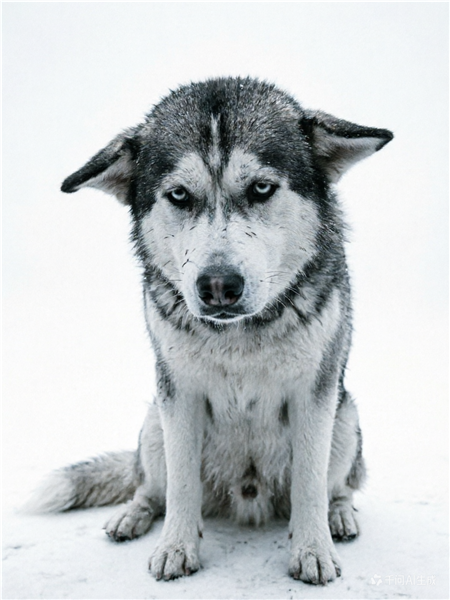
Unaided observation or weight numbers alone are not completely accurate because individual skeleton sizes vary widely. The internationally accepted Body Condition Score (BCS) is a more scientific method and usually uses a 9-point scale (1-3 points too thin, 4-5 points ideal, 6-9 points overweight to obesity).
An ideal husky should have:
- when viewed from above, the waist contracts significantly, forming an hourglass shape.
- Viewed from the side, the abdomen is retracted upward rather than parallel to or droop down to the chest.
- The ribs can be easily touched and are covered with a thin layer of fat, but no obvious outline of the ribs can be seen.
- When exercising, it is light and agile, without feeling heavy.
If your husky's waist lines are missing, his abdomen is drooping, his ribs are difficult to touch, and his movements are slow, then he is likely to be overweight.
3. Excessive weight seriously harms the bones and joints of Husky Bones and
joints are the cornerstone of Husky sports and vitality. Excess weight can put an unbearable additional burden on this sophisticated system.
1. Aggravating joint wear and inducing arthritis: Huskies, especially middle-aged and elderly dogs, have genetic tendencies such as hip joint dysplasia and elbow joint dysplasia. Obesity can significantly increase the pressure and friction on the articular surface, accelerate the wear and degradation of articular cartilage, and lead to painful arthritis. Affected dogs may show symptoms such as difficulty getting up, limping, reluctance to jump or go up and down stairs, and rigidity after exercise.
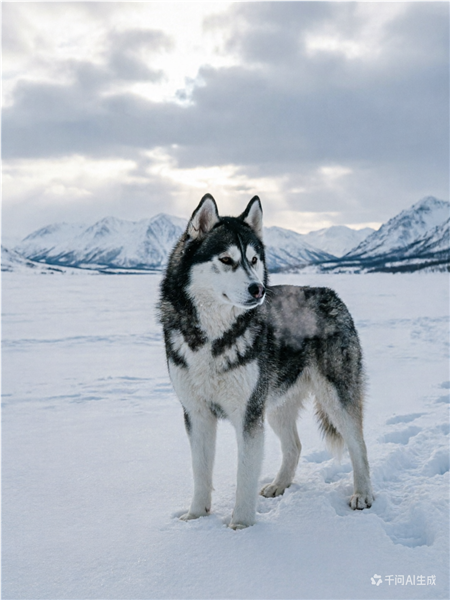
2. Increase the risk of ligament damage: When an overweight body runs, jumps or makes sharp turns, it causes huge tension on key ligaments such as the anterior cruciate ligament, which can easily lead to tearing or rupture. This is a very painful and requires expensive surgical treatment. Serious injury.
3. Causes of disc disease: Obesity increases the pressure on the spine, may induce or aggravate problems such as disc herniation, and in severe cases may even lead to paralysis of the rear limbs.
4. Affects the skeletal development of puppies: For husky puppies that are still growing, excessive obesity can put their growth plates under abnormal pressure, which may lead to skeletal deformities, such as structural abnormalities in the elbow or hip, laying the foundation for future bone and joint diseases.
It can be said that every extra fat silently erodes the husky's joint health and shortens its free running years.
4. Excessive weight poses a fatal threat to the heart and circulatory system of Husky. The
heart is the engine of life. Obesity forces this engine to work overtime, triggering a series of chain reactions.
1. The burden on the heart increases, leading to heart failure: the increase in body tissue means the heart needs to pump more blood to supply oxygen and nutrients. Long-term high-load work can lead to myocardial hypertrophy, which may eventually develop into congestive heart failure, which is manifested by coughing (especially at night and early morning), difficulty breathing, easy fatigue, abdominal swelling, etc.
2. Hypertension: Obese dogs are often accompanied by elevated blood pressure. High blood pressure can damage blood vessels in the heart, kidneys, eyes and brain, causing multiple organ dysfunction.
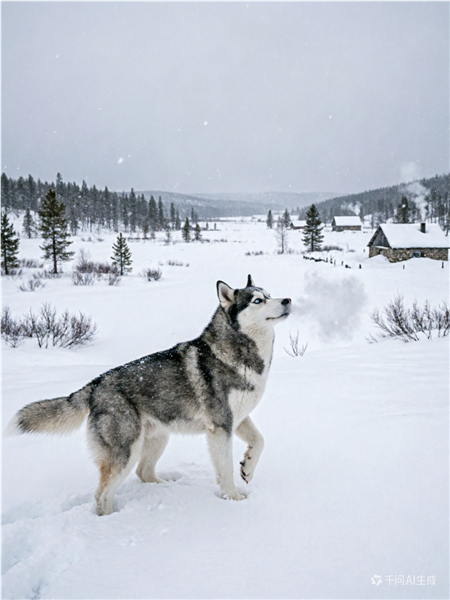
3. Dyslipidemia: Obese husky may have elevated blood cholesterol and triglyceride levels, increasing the risk of atherosclerosis and affecting systemic blood circulation.
4. The risks of anesthesia and surgery are doubled: If an obese husky requires surgery due to other diseases, the risk of anesthesia is significantly higher than that of a normal-weight dog. Adipose tissue can affect drug metabolism, and insufficient cardiopulmonary reserve also increases the risk factor during and after operations.
Heart damage is often hidden and irreversible, and by the time obvious symptoms appear, it is usually in the middle and advanced stages of the disease.
5. Other health problems caused by obesity
In addition to bones and heart, obesity is also a hotbed of many diseases:
- Diabetes: Obesity can lead to insulin resistance, which greatly increases the risk of developing diabetes.
- Respiratory problems: Fat in the neck and chest can compress the airway, causing difficulty in breathing, intolerance to exercise, and easy to get heatstroke in hot weather. The husky itself has poor tolerance to high temperatures.
- Liver disease: Fatty liver is common in obese dogs.
- Reproductive system problems: affect fertility.
- Skin problems: Fat accumulation leads to increased skin folds, which is difficult to clean, and is prone to dermatitis and infection.
- Overall life expectancy shortened: Multiple studies have confirmed that the average life expectancy of obese dogs is significantly shorter than that of normal-weight dogs.
6. Scientifically respond to the Husky Obesity Crisis: Comprehensive Strategy for Prevention and Weight Loss
After recognizing the harm, positive action is the key. Whether it is prevention or weight loss, scientific principles should be followed and no blindly dieting.
1. Prevention is better than cure:
- Ration feeding: Use measuring cups to accurately measure dog food and strictly follow the veterinarian or adjusted feed amount based on BCS scores. Divide meals into morning and evening and avoid eating ad libitum.
- Choose high-quality dog food: Choose adult dog maintenance food or weight management food with moderate protein content, reasonable fat content, and rich in fiber.
- Eliminate unhealthy snacks: Strictly limit or avoid high-calorie, high-salt human food. If you need a reward, choose a dedicated low-calorie training snack or use a small amount of dog food and count it into your total daily calories.
- Ensure adequate exercise: Ensure at least 1-2 hours of medium-to high-intensity exercise every day, such as fast walking, jogging, catching games, bicycle traction (requiring professional training and equipment), etc. Take a longer hike or a free run on the dog track on weekends.
- Regularly monitor your weight: weigh it at least once a month and record it. Perform regular body scoring.
(2) If you are already overweight, how to lose weight scientifically?
- Consulting a veterinarian: The first and most important step. Eliminate the causes of diseases such as thyroid and develop a personalized weight loss plan. A veterinarian may recommend a blood test.
- Adjust your diet:
- Change your diet: Under the guidance of your veterinarian, switch to a specially prescribed diet or low-calorie diet. These grains are usually high in fiber and can increase satiety.
- Reduce calorie intake: Usually start at 70%-80% of your current maintenance amount, at the discretion of your veterinarian.
- Change feeding methods: Use a slow food bowl to extend eating time and increase satisfaction.
- Increase exercise step by step:
- For already obese huskies, avoid sudden strenuous exercise to avoid damaging joints. Start with a short, slow walk and gradually increase the time and intensity.
- Swimming is an excellent choice, which can effectively consume calories and build muscles without increasing the burden on the joints.
- Increase daily activities, such as playing more sniffing games, Tibetan food toys, etc. that require brain use and light activity.
- Get involved and stay consistent: Make sure all family members understand the weight loss plan and don't secretly feed it.
- Regular follow-up visits: Visit the veterinarian monthly to monitor weight loss (the ideal rate is 1%-3% of overall weight reduction per month) and adjust the plan accordingly.
7. Special precautions
In the process of helping Huskies lose weight, love and patience are crucial. Weight management is a protracted battle, and rapid weight loss is also harmful to health. Please pay close attention to your dog's mental state to ensure that he remains happy during the weight loss period. If any discomfort occurs, contact your veterinarian promptly.
The health and vitality of husky are inseparable from the owner's scientific feeding and careful management. Their weight is directly related to the quality of life and length of life. Let us start today to re-examine the body shape of our dog, reject the misunderstanding of "taking fat as beauty", use scientific knowledge and persistent actions to unload the heavy burden on our husky partners, protect their strong bones and power. The heart allows them to continue to run lightly and happily on the journey of life. Remember, a healthy weight is one of the most precious gifts you can give your dog.