Huskies who are lively and active at home will change significantly as they age. "Erha", who used to be extremely energetic and expert at demolishing small families, may become stumbling, stiff joints, and even have some "minor accidents." As responsible parents, choosing suitable elderly care products for them is not only a convenience, but also an important way to express love and care. Today, let's take an in-depth look at three must-have items that can significantly improve the quality of life of elderly huskies: a heightened food basin, non-slip shoes and a urine pad for elderly dogs, and extend the explanation of relevant nursing knowledge to help your old friends Enjoy your old age comfortably and with dignity.
1. Higher the food basin: the first line of defense to protect cervical spine and digestive health
Have you noticed that when old husky heads down to eat and drink water, they make a slight grunt, or stop to gasp after taking a few bites? This is likely due to cervical or joint discomfort. The traditional floor-to-floor food basin forces dogs to bow their heads sharply, which will put tremendous pressure on the cervical vertebrae, shoulder joints and elbow joints of elderly dogs in the long run, especially for huskies of medium and large dogs.
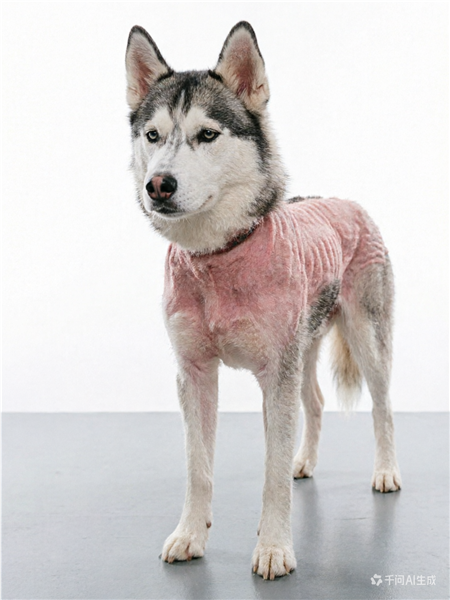
1. The core benefits of raising the food basin:
Reduce joint pressure:Adjust the food basin and water basin to a height level or slightly lower than the dog's elbows, allowing them to maintain a naturally flat position of their head and neck while eating. This can effectively avoid excessive bending of the cervical spine and reduce the burden of supporting the body on the forelimbs. It is especially friendly for elderly huskies with arthritis, hip dysplasia (HD) or elbow problems.
Promote digestion and prevent gastric volvulus:This is a crucial point. Huskies belong to the dog breed with deep-chests. Their digestive function is weakened after old age and the risk of swallowing air is increased. Using a raised food basin can make the esophagus smoother and reduce the amount of air you can swallow, thereby reducing the risk of abdominal distension, belching, and even life-threatening gastric torsion (GDV) after a meal. Although gastric torsion is more common in large dogs after a rapid meal, creating a relaxed and comfortable eating environment for elderly huskies is the first step in prevention.
Improve eating comfort and appetite:Many elderly dogs have reduced appetite due to physical discomfort. A dog-based eating posture can make eating easier, stimulating their appetite and ensuring enough nutrients to maintain health.
2. How to select and use a heightened food basin?
Height selection:The ideal height is when the dog stands, the upper edge of the food basin is approximately level with the elbow joints of its front legs. You can determine this by measuring the vertical distance from your dog's elbow joint to the ground. There are stand-type food basins with adjustable height on the market, or you can directly purchase fixed-height slow-food basins and stainless steel basins with brackets.
Material and stability:Choose a food basin bracket with a wide bottom and non-slip bottom to prevent it from being accidentally pushed over by the "Erha". It is recommended to use food-grade stainless steel or ceramic material for the food basin itself, which is easy to clean and not prone to bacteria.
Slow food design:If the elderly husky at home still eats gorgeously, you can consider choosing a heightened slow food basin. The raised design in the basin can effectively slow down eating, further promote digestion and absorption, and prevent choking.
Investing in a suitable heightening food basin is a simple and effective way to start with daily details and reflect the deep concern for the bones and digestive system of elderly dogs.
2. Non-slip shoes (pet socks): provide stable happiness for fragile joints
The joints of an elderly husky are like mechanical parts that have been used for many years, with wear and lack of lubrication. At the same time, the flesh pads on the soles of their feet will harden and dry due to aging, and their grip will decrease. Smooth floors such as tiles, wooden floors, and marble in the home have become dangerous "ice skating rinks" for them. Every slip will cause an impact and wear on the already degraded hip and knee joints, increase pain and even lead to falls and injuries.
1. Why are non-slip shoes necessary for elderly huskies?
Provides key traction:The soles of non-slip shoes are usually made of rubber or silicone material and have special anti-slip patterns that can firmly "grab" the smooth ground, giving the elderly husky a greater confidence and a more steady pace when walking.
Protect joints and relieve pain:Walking steadily at every step means that the abnormal shear and impact forces that the joints bear are greatly reduced. For elderly dogs with osteoarthritis, this can directly reduce pain, delay the development of the disease, and increase their willingness to exercise.
Cold protection, warmth and protective foot mats:When going out in winter, non-slip shoes can isolate the cold ground and prevent frostbite. At the same time, it can also protect foot mats that are thinned and prone to cracking due to aging, and avoid being damaged by rough roads, sand and gravel or chemical snow-melting agents.
Keep it clean:When you come back from a walk and take off your shoes, you can avoid bringing dirt, dust, and even possible parasite eggs into the room. For elderly dogs who have limited mobility and spend more time indoors, the resting environment is maintained. Clean.
2. Key points for selecting and adapting non-slip shoes:
Fit is the key:Be sure to accurately measure the width and circumference of your dog's soles (the size when bearing weight). Shoes should be tight but not tight to ensure that the toes can move naturally and the heel strap does not fall off easily. Many brands provide detailed sizing charts.
Material and breathability:Choose an upper with breathable mesh or soft stretch fabric to avoid sultry heat. The sole should be elastic and should not be too hard to affect the dog's perception of the ground.
Dressing adaptation process:Most dogs will feel strange when they put on their shoes for the first time, showing a funny appearance of "walking on stilts" or not knowing how to walk. This requires patient guidance. At first, wear it at home for a short time, use snacks and praises to encourage it positively, gradually extend the time, and wait until it fully adapts to it before wearing it out.
Regular inspection and cleaning:check the wear of soles and replace them in time. Clean soles after each use to keep them hygienic.
A pair of suitable non-slip shoes is not only an accessory, but also a "joint protector" for elderly huskies to move freely and safely indoors, which can greatly enhance their autonomy and happiness in life.
3. Urinary pads for elderly dogs: dealing with incontinence, maintaining dignity and home hygiene
As they age, older huskies may face problems with reduced urinary system function, manifested as frequent urination, urgency, and even uncontrolled leakage or incontinence. This is not that they are "disobedient" or "lazy", but a signal that physical functions are declining. Blame is useless. Understanding and providing solutions is the key. The special urine pad for elderly dogs played an indispensable role at this time.
1. The difference between a special urine pad for old dogs and a normal urine pad for young dogs
Urine pads for elderly dogs are usually more targeted in design:
Super absorption and water-locking ability:Elderly dogs may have a large amount of urine in a single time. The special urine pad uses multi-layer absorbent cores and polymer water-locking materials to quickly absorb a large amount of urine and firmly lock it, keeping the surface dry and preventing it. Re-seepage to avoid skin problems caused by wetting the dog's body while lying down.
Deodorization and antibacterial technology:More effective deodorization factors and antibacterial layers are added to neutralize the ammonia taste in urine, inhibit the growth of bacteria, and keep the environment fresh for a long time. This is important for dogs and owners with a sensitive sense of smell.
Larger size and non-slip base film: Thesize is larger and suitable for use by huskies with medium and large dogs. There are complete anti-slip glue spots on the back, which makes it difficult for the dog to shift even if he turns around on it.
Induction factors (optional):Some products add pheromones or inducers to encourage dogs to excretion at designated locations.
2. How to scientifically use a special urine pad for elderly dogs?
Location selection:Place the urine pad in the most accessible and relatively quiet and secluded corner of the elderly husky, such as near the kennel where he often rests, on the balcony or in front of the bathroom. Avoid placing them in crowded aisles.
Establish usage habits:If a dog used to go out at a certain point but is now having difficulty due to physical reasons, you can observe the signal that it wants to go to the toilet (such as circling, anxious) and guide it to the position where the urine pad is laid in time. Reward will be given after success. For dogs that are already incontinent, you can place a urine pad where they often lie, or use a washable pet urine barrier pad.
Replace it promptly and keep it clean:Once the urine pad is saturated or produces a clear smell, it should be replaced immediately. The damp and unclean urine pad not only loses its effect, but also causes the dog to dislike, causing it to refuse to use it, and even causing urinary infections or dermatitis.
Cooperate with other measures:Urine pads are management tools, and health causes should be paid attention to. Comprehensive management will have a better effect by increasing the number of urinating outside (even if the urine volume is small), consulting a veterinarian whether drugs are needed to treat bladder weakness or urethral sphincter dysfunction, and controlling drinking time (such as reducing drinking water before going to bed).
Using a urine pad for elderly dogs is by no means a laissez-faire, but a kind of empathic care. It solves hygiene problems, reduces the cleaning burden on the owner, and more importantly, protects the shame and stress caused by the inability to control excretion of elderly huskies, and maintains their dignity in later years.
4. Beyond "good things": comprehensive elderly care for husky
The above three good things are hardware support, but the happy old age of elderly huskies requires the cooperation of software-that is, the owner's comprehensive maintenance concept and daily practice.
1. Nutritional management: Tailor-made food for elderly dogs
Elderly huskies have slower metabolism and reduced activity, but require higher protein quality (to maintain muscles) and need to control total calories to prevent obesity. Choose dog food specially designed for older large dogs. This type of food usually has:
- A source of high-quality and easily digestible protein(such as chicken, fish).
- Control phosphorus and sodium levelsto reduce the burden on your kidneys and heart.
- Add joint health ingredients such as glucosamine, chondroitin, and MSM.
- Rich in antioxidants(such as vitamins E, C, beta-carotene) to fight the oxidative stress caused by aging.
- Increase dietary fiberand promote intestinal health.
Regularly consult the veterinarian to adjust the diet plan based on the dog's specific health conditions (such as kidney disease or heart disease).
2. Gentle and regular exercise
"Life lies in exercise" also applies to elderly dogs, but the method needs to be adjusted. Avoid impact sports such as strenuous running and jumping, and catching Frisbee. Instead:
- Take short multiple walks:Take a gentle walk for 15-20 minutes, 2-3 times a day, giving them a chance to sniff (important brain activity), resolve excretion, and move their joints.
- Swimming or underwater treadmill training:If conditions permit, this is the most joint-friendly and ideal exercise that effectively builds muscles without adding burden.
- Indoor interactive games:Use sniffing pads and Tibetan food toys to play low-physical mental games, which both consume energy and bring fun.
3. Regular health monitoring and veterinary inspections
Change the annual physical examination to semi-annual. The physical examination should include:
- Comprehensive physical examination (auscultation, palpation of joints and abdomen).
- Blood biochemistry test (assessment of liver, kidney, pancreatic function and blood sugar).
- Urinalysis.
- Blood pressure measurement.
- If necessary, X-rays will be performed to check the condition of the joint.
Early detection and management of chronic diseases (such as arthritis, kidney disease, hypothyroidism, cognitive dysfunction syndrome, etc.) is the key to extending their high-quality lives.
4. Age-friendly transformation of the home environment
In addition to anti-slip, you can also consider:
- Lay non-slip floor mats or carpet channels throughout the houseto connect areas where they go frequently.
- Set uppet steps or rampsnext to sofas, beds and other furniture they like to rest on to make it easy to get up and down and avoid jumping injuries.
- Providesoft, supportive orthopedic pet beds to relieve joint pressure, especially for dogs with arthritis.
- Keep the indoor temperature appropriate to avoid excessive cold or overheating, which will deteriorate the ability of elderly dogs to regulate their body temperature.
5. Focus on cognitive health and emotional companionship
Elderly dogs may also develop symptoms similar to human "dementia"(Canine Cognitive Dysfunction Syndrome, CCD), which may be manifested as day and night inversion, disorientation, forgetting passwords, and reduced interaction. This can be done through:
- Adhere to a regular schedule.
- Carry out simple compliance training and brain games to keep your brain active.
- Use a pheromone diffuser or play soothing music to calm anxiety.
- Give more patience, touch and gentle dialogue than ever before. Your company is their greatest source of security.
Conclusion: Maintaining an elderly husky is a warm companionship and farewell preview. We can't stop the passage of time, but we can clear away obstacles on their way to old age through thoughtful tools such as heightening food basins, anti-slip shoes, and special urine pads, as well as scientific nutrition, sports, medical care and loving environmental modifications. Ensure their comfort, health and dignity to the greatest extent possible. Looking at those blue eyes that are still clear but have been stained with the traces of time, everything we do is to respond to their unconditional love and loyalty throughout their lives, so that this journey together can slow down in the sunset., be more stable, full of warmth and tranquility. Please remember that every thoughtful preparation is a silent and affectionate confession to them: "Old man, you grew up with me, and I will accompany you to the old age. Don't be afraid, I'm here."