On the rainy day when it first encountered the "black devil", it curled up in the corner of the abandoned carport in the community, soaked to the ground, its hair knotted, and its eyes were full of vigilance and hostility. Any person or animal that tries to get within three meters of it will receive a low and threatening roar. In the mouth of neighbors, it is "that mad dog" and "vicious dog", and it is the shadow of children who need to take a detour after school. No one knows where it came from or what it has experienced, only seeing the high walls it built with fierceness. And my story with it began with an accidental and risky feeding.
Chapter 1: Under the High Walls-When Good Will meets Fangs
The decision to help it came from a cold winter night. I saw that even in its sleep, its body could not help but tremble. I put down some food and water far away. It waited for me to retreat far enough before rushing over and taking it away at lightning speed. Its eyes were always locked on me, as if I would become an enemy that would hurt it at any time. The initial contact was full of frustration. I tried to approach slowly, but in return, I bared my teeth and roared again and again. Two times, it even pretended to pounce, which made me break out in a cold sweat. After consulting a professional animal behaviorist, I realized that its "evil" is not its nature, but its extreme fear and stress response left behind by trauma. It may have been abandoned, expelled or even abused, and its mistrust of humans has penetrated into its bones. What I need is not a forced breakthrough, but a time and unconditional positive connection to break down this high wall little by little.
Chapter 2: The ice-breaking move-from a ham sausage to a touch
I changed my strategy. Appear at a fixed time every day, just sit quietly in the distance and let it familiarize itself with my existence. Then, I put the food in the middle and gradually stepped back. Day after day, I sat closer and closer, and its tense muscles seemed to slowly relax when it ate. The turning point occurred a month later. That day, I put down the dog food mixed with ham sausage as usual, but it didn't eat it immediately. Instead, it looked up at me for a long time, and its tail swayed extremely slightly and almost invisibly. At that moment, I held my breath, as if I saw the first crack in the ice. Two weeks later, when it lowered its head to eat, I tried to reach out slowly without touching it directly, just stopping where it could be seen from the corner of its eye. It paused, not dodging or roaring. This insignificant "permission" makes me very excited.
Chapter 3: Building trust-Safe houses and the first coquettish
After gaining initial trust, I set up a dry and warm nest for it in the carport and put old clothes and toys. This "safe house" became the first place where it could relax its vigilance. I began to try to name it, calling it "Momo". Taking it to a pet hospital is a huge test. With the help of veterinarians and assistants, we completed basic examinations, deworming and vaccination. The whole process was extremely afraid, but it did not attack anyone. It just buried its head deeply in my arms when I stroked it. This act of dependence melted my heart. After returning home, perhaps due to the effect of the medicine, or perhaps it finally felt completely safe, it took the initiative to touch my hand with its wet nose for the first time, and then lay down on its side, exposing its belly-a dog that expresses absolute obedience and trust. I gently stroked its thin belly, and it made a satisfied, subtle purr. The "evil dog" that everyone once avoided disappeared, and was replaced by a child who longed for love and learned to be loved.
Chapter 4: Integrating into a new life--Social training and the awakening of the nature of "silly dogs"
After formally adopting Momo, the real challenge began. It requires learning how to live in human society: toilet indoors, follow on a leash, accept the presence of strangers (no closeness required). We signed up for a positive intensive training course. Whenever it completes a command or remains calm when encountering other dogs/pedestrians, it receives warm praise and snacks. The process was slow but full of surprises. I discovered the "silly dog" side of it: it would chase its tail in circles until it fainted, it would be afraid and curious about the sweeping robot, and it would bump into the door excitedly when it heard "go out to play." It learned to act coquettishly, would put its head on my hand and ask for touch, would put its chin on my feet while watching TV, and would put on an innocent expression of "I don't know anything" after doing something wrong (such as stealing bread from the table), which made people laugh.
Chapter 5: The echo of love-it healed me, I reshaped it
Today, Momo has become a small star in our community. Neighbors changed from initial fear to curiosity, and now love. The children would politely ask if they could touch it, and it would sit down meekly and enjoy the children's touch. What brought me out of the trough was precisely this feeling of need and need. We save each other and heal each other. It taught me patience, responsibility and unconditional love; I gave it a home, a sense of security and a chance to be reborn. Looking at it sleeping soundly in the sun, with its feet facing the sky, and defenseless, I couldn't connect it with the hostile figure at the beginning.
Conclusion: It will always be love and understanding that melts barriers
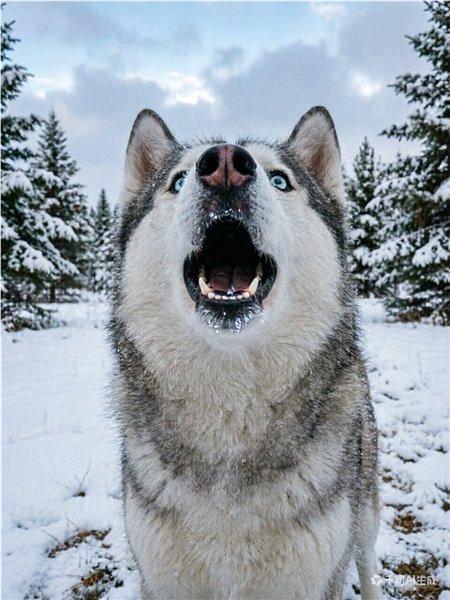
Momo's story is not an exception. There are countless "Mo Mo" in the world. They are injured by human mistakes, but are reborn by human kindness. Their "problem behaviors" are often cries of fear. Rescuing a stray animal, especially a traumatized animal, is much more than providing food and shelter. It requires a lot of time, patience, understanding and firm love. You need to understand its silent language, respect its boundaries, and guide it in a positive way. This process may be long and repetitive, but every joy of progress is unparalleled. When you see the ice and snow in those eyes melting and being gradually replaced by the light of dependence and happiness, you will deeply realize that love really has the power to melt all barriers. It is not a miracle in a moment, but a building of trust built up by actions every day and every moment. If you also encounter the "Mo Mo" in your life, please give it more time and opportunity, because under that seemingly imperfect appearance, there may be a heart that knows the most gratitude and love.
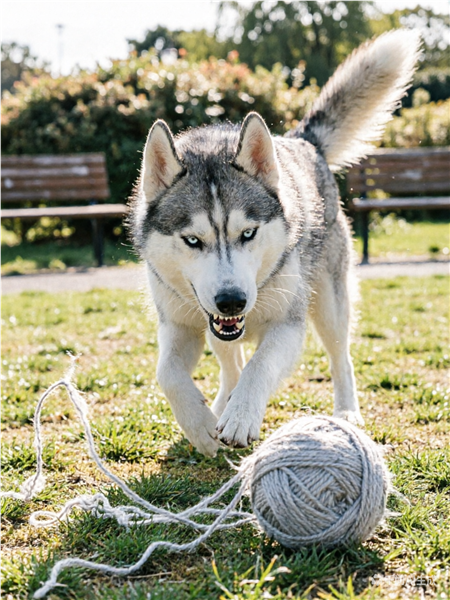
(Postscript: Adopt instead of buying, giving stray animals a chance. If you do not have the conditions to adopt, you can also help them by targeted feeding, assisting in sterilization, and promoting adoption information. Every life deserves to be treated gently.)